Is Your Roof Ready for the Next Arizona Monsoon?
August is the middle of the monsoon season in Arizona. The rain is a pleasant break from the heat, but the bad weather that comes with it is a real threat to your roof, which is your home’s first line of defense.
I’ve seen how quickly a monsoon storm can convert a small roof problem into a huge disaster. We need to make sure that doesn’t happen. This tutorial will show you how to get your roof ready for the next storm, how to find damage after it passes, and what to do if the worst comes.
Understanding the Monsoon’s Fury: What Could Damage Your Roof
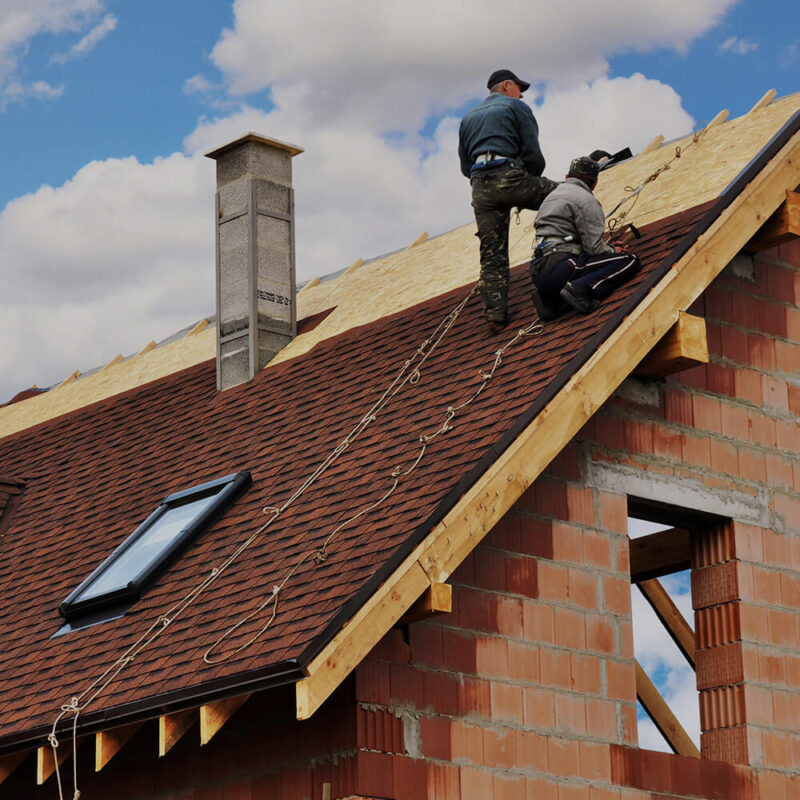
Monsoon storms in Arizona hit your property from several angles. The onslaught usually starts with strong downdrafts, or microbursts, with winds above 60 miles per hour that can lift and tear shingles off. This similar force can break or even move heavy tiles on tile roofs, exposing the weak underlayment.
A lot of the time, this is followed by heavy rain that floods drainage systems, making water pool and find any weak spots. This is a big problem for the many flat or low-slope roofs in the Phoenix area, which tend to collect water that damages materials over time.
Hail can hit the surface hard, leaving dents in vents and flashing. High winds can also convert unsecured tree limbs and patio furniture into deadly projectiles that inflict catastrophic damage.
Your Pre-Monsoon Roof Checklist for Proactive Protection
The best approach to keep your roof from getting damaged during the monsoon is to do regular maintenance. You can begin by doing a few important do-it-yourself projects.
To make sure water can flow away easily, take the time to clean out all the leaves and other debris from your gutters, downspouts, and roof drains. It’s also smart to cut down tree branches that hang over your rooftop so that they don’t fall and damage your roof.
Make sure that things like patio furniture and barbecues are safe in your yard before a storm hits. Lastly, walk around your property and carefully look at it from the ground. You may often see obvious problems like slipped tiles or damaged shingles with binoculars.
These procedures are useful, but the best way to get your roof ready for the monsoon is to have an expert check it out.
An inspector who is trained will securely walk over the whole roof and look for small problems that you can’t see, such cracked seals around vents or worn-out underlayment. In the long run, a roof inspection in Phoenix is a minor cost that may save you a lot of money.
How to Find Roof Damage After the Storm
After a storm, it’s important to check for damage. Look up first inside your house. Check your ceilings for any dark, discolored areas or rings, which suggest moisture is seeping through.
Also, check for paint that is peeling or bubbling, especially around vents or corners. And of course, keep an eye out for any active dripping or puddles that you can’t explain in your attic.
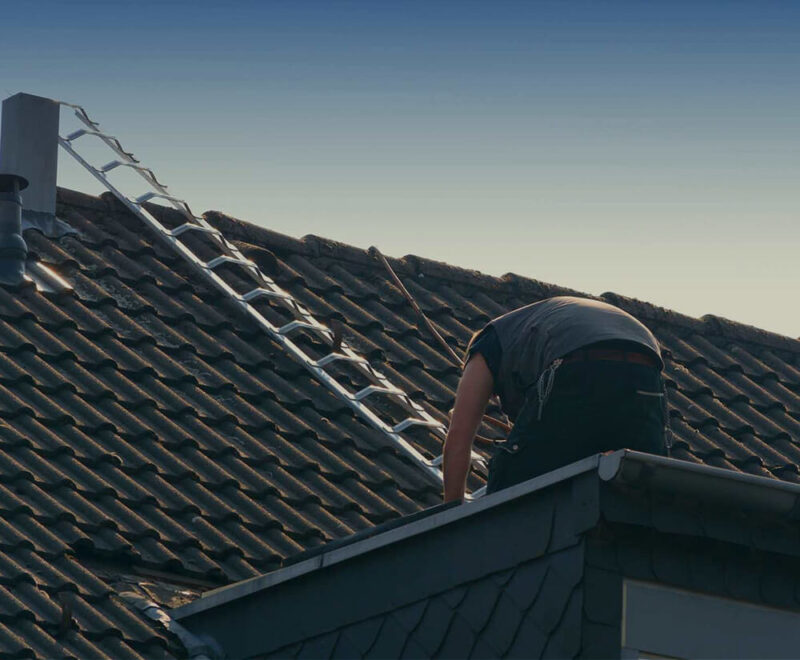
After checking the inside, go outside and look for evidence of damage on the outside. Finding shingles or bits of tile in your yard is a clear sign that something is wrong. Check your roof vents and metal flashing for any dents that hail may have caused.
You might also see a buildup of asphalt granules, which look like coarse black sand, in your gutters. This signals that your shingles are losing their protective covering. A last look from the ground can show any shingles that have been lifted or tiles that have cracked throughout the storm.
What to Do if You Find a Leak Right Away
Finding a leak is frightening, but acting quickly can help limit the damage.
Put a bucket or waterproof container just beneath the drip to keep your flooring and things safe.
If you detect a bulge in the ceiling, the water is pooling. Use a small screwdriver to carefully poke a hole in the middle of the bulge so that the water can drain into your bucket. This will keep the drywall on the ceiling from falling down.
Take clear pictures and videos of the leak and any damaged goods so you can file an insurance claim.
Get in touch with a professional roofer right away: Don’t wait. Water damage becomes worse quickly, causing problems with the structure and mold to grow.
A Phone Call Is Worth Your Peace of Mind
Your roof will keep being tested by the Arizona monsoon season. Don’t take a gamble on your home’s safety and wait for the sound of a leak to let you know there’s a problem. The greatest way to protect yourself is to be ready ahead of time and respond quickly.
To be very sure, call Stradling Roofing now to schedule a professional roof check. Their skilled crew is ready to make sure your home is safe, whether you need a check-up before the monsoon to avoid disaster or an evaluation after the storm to fix damage.