Repair or Replace? How to Know When Your Arizona Roof is Beyond a Simple Fix
If you live in Phoenix and own a home, you’ve definitely thought about whether it’s better to maintain fixing your roof or finally get a new one. The weather here in the desert is tough. Our roofs have to deal with a lot of sun, temps over 100 degrees, sudden monsoons, and hailstorms. So the question is whether to fix or replace the roof. Comfort isn’t the only thing that matters in Phoenix. It’s about making a good financial choice and preserving your most important asset.
I have been examining and estimating roofs in the Valley for decades, and I can assure you that the appropriate choice is not always based on the most recent leak or broken tile. Let’s go over the five main things that will help you make a smart, sure choice.
1. How old the roof is
The temperature in Arizona shortens the natural lifespan of all roofing materials. In cooler areas, asphalt shingles can last up to 25 years, but here they need to be replaced every 15 to 20 years because UV rays dry them out and make them lose granules. Foam roofing is a good choice for homes with flat or low-pitched roofs. It usually lasts 15 to 20 years if it is recoated every 5 to 7 years. It’s harder to work with tile roofs. The clay or concrete tiles themselves may last 40 to 50 years, but the underlayment underneath them normally only lasts 20 to 25 years.
If your roof is close to or past these limits, it makes more sense to replace it than to fix it. You can fix a problem location, but if the rest of the system is getting close to the end of its useful life, you’ll probably have to deal with fresh leaks every season.
2. How bad the damage is
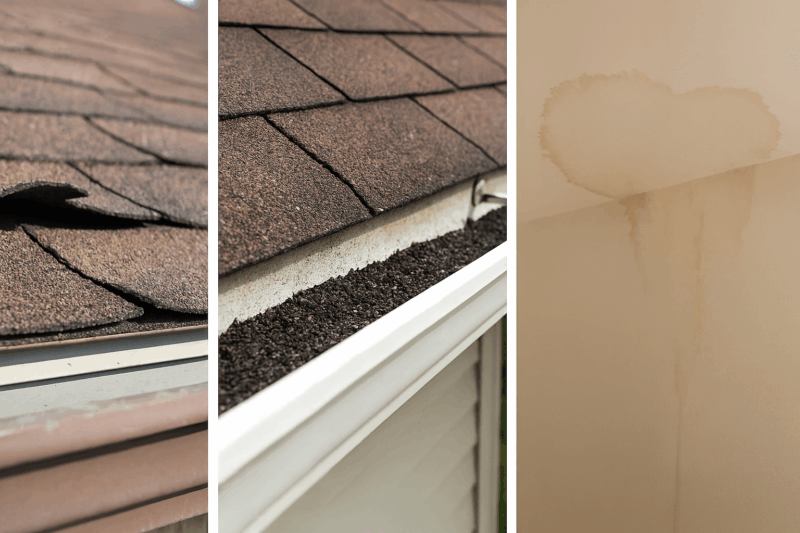
You don’t have to start over every time you have a roof problem. A few broken tiles, one missing shingle tab, or a little leak that isn’t connected to anything else are all common repair problems. These problems are easy to fix and don’t mean that the whole system is broken.
But pervasive problems reflect a different story. If you find shingles curling on the roof, granules building up in the gutters, or leaks in more than one room, it’s usually a sign that the roof system is failing. For tile roofs, big pieces of fragile or sliding underlayment signify that water is getting under the tiles. You can’t fix that kind of situation with patchwork. Replacement makes sure that the structure underneath stays safe for a long time.
3. Repairs that have been done in the past
It’s an ancient saying in business that you shouldn’t throw good money after bad. The “25% Rule” is a rule that a lot of professionals follow. It’s time to think about replacing the roof if the total cost of repairs gets close to 25% of what a new roof would cost.
For instance, if you’ve spent thousands fixing leaks over the previous few years and the roof is still giving you trouble, those dollars may not be offering you real peace of mind. Replacement may cost more up front, but it usually saves money (and problems) in the long run.
4. Problems at the root
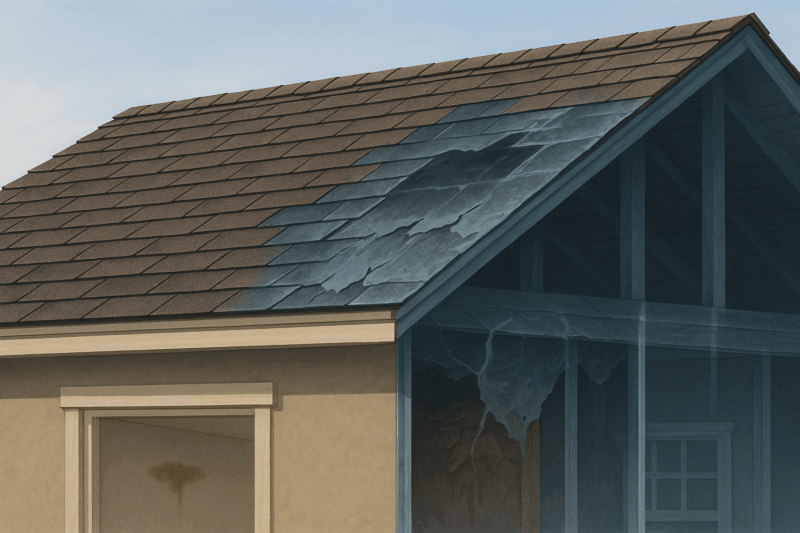
One of the hardest things about roofing is that what you see on the outside doesn’t necessarily show what’s going on inside. A small stain on your ceiling can look like a modest leak, but it could mean that the underlayment has failed over a large area or, even worse, that the decking underneath is rotting.
Small blisters on foam roofs could be signs of water getting in and spreading under the surface. These problems that you can’t see can weaken the structure of your home. In these situations, repairs simply fix the problem. Replacement takes care of the problem and makes sure the whole roof is safe.
5. Plans for the Future
Your own chronology is equally as important as the roof’s. If you want to sell your house in the next year or two, buyers will feel much better about making an offer if they know the roof won’t be a problem. Having proof from an expert that your roof is in good health can make a difference, even if you don’t replace it right away.
If you expect to stay in your home for 10 years or more, you should definitely replace it. A new roof will make your home more stable, cut your maintenance expenses, and give you peace of mind. You may think of it as putting money into the future worth and livability of your property.
Putting It All Together
It’s not always easy to choose between repair and replacement, but these five things might help you make your decision. The age of the roof shows you how near you are to the end of the system’s natural life. The extent of the damage can help you tell the difference between a single problem and a system-wide disaster. Your repair history can tell you when it’s time to stop making repairs. Underlying problems explain why you can’t always trust superficial symptoms. And your plans for the future should make sure that your choice fits with your lifestyle and financial goals.
You’re not the only one who has been having trouble deciding between roof repair and replacement in Phoenix. A lot of people who own homes have a hard time deciding whether to buy another patch or a new roof. It’s okay if you don’t know for sure. That’s where experience and a close look come in.
A Useful Next Step
You shouldn’t make this choice without thinking it out. A thorough, honest assessment is the best method to find out if your roof requires repairs or a full replacement. We at Strad Roofing help people make this option all the time. No pressure, no upselling, simply clear answers based on years of living in Arizona.
If you’re not sure when to get a new roof in Arizona or if your current problems are just signals that you need a new roof, book a free inspection now. Knowing where you really stand and what decision makes the most sense for your home’s finances can give you peace of mind.