Foam Roof vs. Silicone Coating: Which Lasts Longer in Arizona’s Extreme Heat?
The weather in Arizona is some of the worst in the country for roofs. Your flat roof needs to be able to handle the sun, the daily temperature changes, and the pounding monsoon season.
Foam roofing and silicone coatings are two of the most common methods used today. But if you compare foam roofs and silicone coatings side by side, which one really lasts longer in Arizona’s harsh heat?
Knowing the Materials
People commonly compare spray polyurethane foam (SPF) roofing to silicone roof coatings; however, they do distinct things. SPF starts as a liquid that is sprayed directly onto the roof deck.
It grows into a thick, hard layer of insulation that fills in all the gaps and cracks. After it has dried, the foam needs to be covered with a white silicone or acrylic top layer to keep it safe from the sun.
This makes a roof system that is watertight and very well insulated, which is perfect for Arizona’s flat and low-slope buildings.
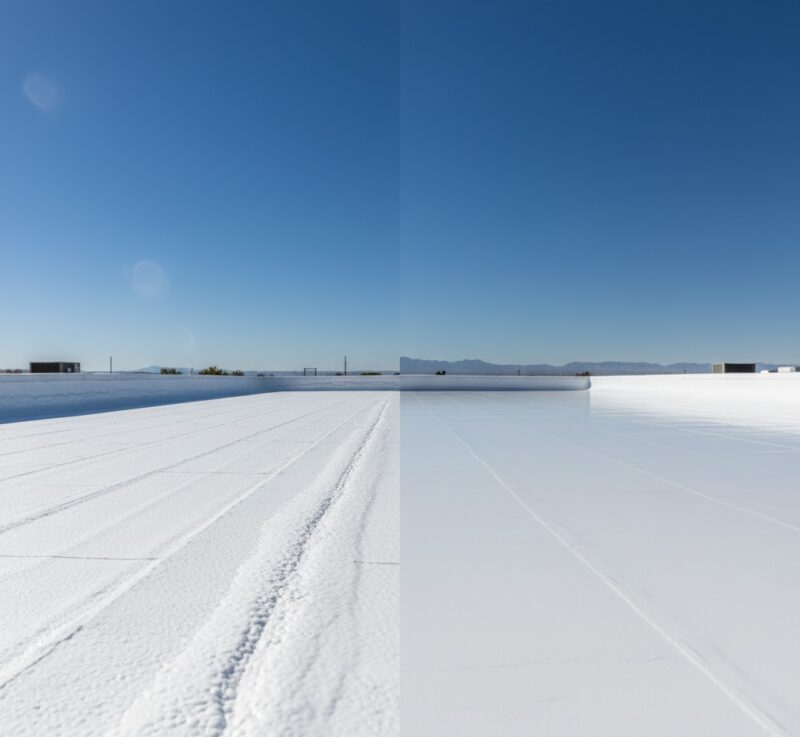
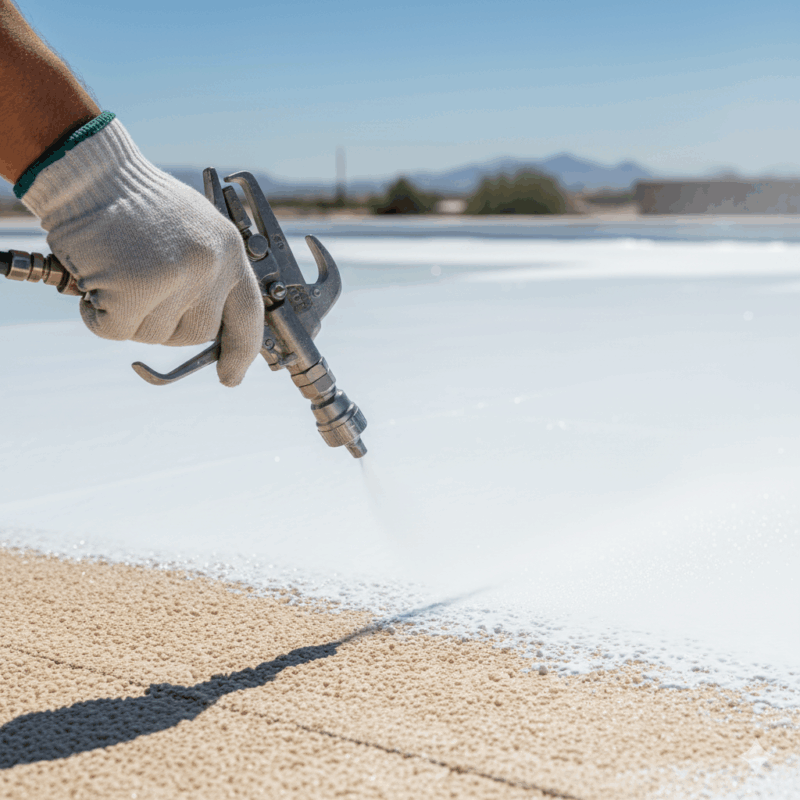
Silicone roof coatings, on the other hand, are membranes that are put on as a liquid and dry to make a smooth, rubbery surface. You can roll or spray them right over an old roof, such as foam, BUR, or single-ply membranes.
Silicone coatings are great for recovering older roofs without having to replace them completely because they don’t provide insulation, but do reflect UV rays and keep water out.
How long it lasts in Arizona
Wondering which material can really handle Arizona’s UV rays better? Both systems are harsh, but they deal with the problem in different ways. The coating on foam roofing protects it.
The silicone or acrylic coating protects the foam from UV light, which stops it from breaking down. The foam underneath stays robust and whole as long as that coating is kept up.
Silicone coatings are better at staying stable in UV light. The material itself inherently resists sunlight, staying bright and flexible even after years of being in the sun. It also stretches and contracts easily as the temperature changes from day to night, which can be 40 degrees or more in Phoenix.
This flexibility makes it less likely for cracks and early wear to happen, which can happen with materials that aren’t as flexible.
When the monsoon rains come, silicone’s ability to keep water out really shows. It doesn’t soften or peel after standing rain, and it doesn’t let water pool like most coatings do.
Foam roofs are also seamless and watertight, but they need the right slope and drainage to keep water going. Both systems do a good job of keeping out wind and dust, although heavy debris can puncture foam that isn’t thick enough. After storms, regular inspections are the best way to find little problems early.
Life Span and Upkeep
In Arizona’s arid climate, a foam roof that is built correctly can endure 30 to 40 years or longer. The most important thing is to keep it up. Most foam roofs need to be re-coated every 10 to 15 years to keep them safe from UV rays.
If you don’t do that step, the foam can soon break down in the sun. Cleaning the roof and adding a new layer of silicone are all that’s needed to keep it in good shape for decades.
Most of the time, silicone roof coatings need to be reapplied every 10 to 20 years. The coating gets thinner over time because of exposure, but adding a fresh layer makes it stronger again. Cleaning once a year helps keep the reflectivity, since pollen and dust from the desert can make the bright white surface less luminous. Both foam and silicone systems are easy to take care of. You just need to wash them regularly, inspect for damage, and recoat them when the surface starts to fade.
Cooling Performance and Energy Efficiency
This is what makes foam roofing in Arizona so special. Polyurethane foam spray offers one of the best insulation ratings of any roofing material, at about R-6.5 per inch. That means a foam roof not only keeps rain out, but it also stops heat from moving through it, which keeps the inside colder and lowers the cost of air conditioning.
They don’t keep heat in, but they do reflect a lot of light. On a hot day, a white silicone roof can keep the surface temperature up to 50 degrees lower by reflecting up to 90% of the sunshine.
Adding a silicone coating to buildings that already have good insulation is a cheap approach to lower the need for cooling without having to replace the roof.
To save the most energy, many people in Arizona use both foam and silicone. Foam is used for insulation, while silicone is used for reflectivity.
Price and Return on Investment
Foam roofing costs more up front, usually between $4 and $7 per square foot to install. It costs between $1.50 and $4.50 per square foot to coat something with silicone.
Because of the cheaper price, coatings are a good way to extend the life of an existing roof without having to replace it. Foam’s increased cost, on the other hand, can pay for itself over time by lowering your utility expenditures.
Both systems will need to be recoated at least once every 20 years. Foam owners can put silicone on the foam again once or twice to protect it. To keep the thickness and waterproofing, silicone-only systems will need to be maintained on a similar timetable.
The difference is in how they work: a foam roof keeps the heat in and keeps the water out, while a coating only protects the roof.
Best Use Cases
SPF is usually the better choice for new flat roofs or full replacements. It fits every roof shape, seals, and insulates.
Silicone roof coatings in Phoenix are a simple and cheap way to fix up old roofs that are still structurally sound. They stop small leaks, make the surface more reflective, and put off the need for a full tear-off.
Some people who own property choose both. A new foam roof with silicone on top will last the longest, use the least energy, and protect you the best from Arizona’s heat and monsoons. It costs more up front, but it pays off in comfort and durability.
What to Expect and the Problems in Your Area
Phoenix roofs have to deal with extreme heat, monsoon showers, and dust all the time. Under these conditions, any system that isn’t kept up will age quickly.
Foam roofs need to be cleaned and recoated every so often to keep UV rays from hurting them. Dust sticks to silicone coatings, which makes them less shiny, but a brief wash brings back their shine.
Both systems benefit from easy maintenance tasks like checking after storms and emptying drains.
Advice from an expert
In the argument between foam roofs and silicone coatings, both work well, but for different purposes. Foam roofing provides better insulation and lasts longer, especially when it has a new silicone coating on top.
Silicone coatings are a cheap way to restore existing roofs and keep the inside cooler without having to pay for a full replacement.
Strad Roofing can help you find the best foam or silicone system for your Arizona home and install it perfectly to withstand the heat of the desert.
Make an appointment for your free inspection now to find out which roofing option will give you the best long-term value for your home.