
How the Phoenix Heat Impacts Your Roof’s Lifespan
Life in Phoenix entails being taught to live with the scorching sun. The summers often exceed 110 °F, the nights are never cool and the sun has no mercy during several months. Most people who are homeowners are concerned with the implications of this on air conditioning bills or individual comfort but the roof tends to suffer most. The roofing materials are subjected to extreme solar radiation, thermal expansion and extended ultraviolet exposure on a daily basis. This environment in the long run gradually but surely reduces the useful life of a roof, sometimes even more quickly than home owners had anticipated.
It is not only a technical issue to understand the effects of Phoenix heat on the life of a roof. It has a direct impact on maintenance expenses, resale prices, insurance and long-term home cover. The impacts are actual, quantifiable and they are increasingly hurting as temperatures keep increasing.
The Climate of Phoenix and the Uniqueness of Rooftops.
Phoenix is located in one of the hottest cities of North America. The desert backdrop of the city is compounded by urban heat island effect where pavements, buildings, and infrastructures accumulate heat and re-radiate it way beyond the sun sets. This implies that it does not only expose their roofs to extreme temperatures during the day but also does not offer them much reprieve during the night. The materials will hardly have to cool down before the heating process of the next day starts.
Throughout the history, the cycle undermines the integrity of the structure and promotes failure.
The contribution of the increasing temperature and climate change.
The climate in Phoenix had presented roofing materials with a challenge already, but the current trends in temperatures have made the situation worse. In 2023, the city recorded over fifty days with temperatures over 110 °F, which was said to be uncommon. It is estimated that climate forecasts indicate that this will continue to rise in the next several decades. This trend of warming implies that the roofs being installed now will have more severe treatment than the ones being installed on a few decades ago.
Physical Degradation of Roofing Materials by heat.
The impact of heat is not always evident on roofs but has an effect. The ultraviolet rays destroy chemical bonds of the building materials in the roofing, particularly those made of petroleum such as asphalt shingles. With weaker bonds, the shingles lose their protective oils, they become brittle and later crack or curve.
Adhesives, sealants and layers of underlayment below the roof that can be seen are also influenced by high temperatures. These elements are vital in providing water resistance but they tend to wear out more frequently than the outer material. After the failure of these layers, even when the roof may seem intact, leakages may occur.
Asphalt Shingles during Hot weather.
The shingles predominant in Phoenix are asphalt, mostly because they cost less initially. Nevertheless, they are some of the hottest roofing materials. When used in a Phoenix climate, asphalt shingles normally last between fifteen and twenty years, which is far less than their life when in a milder climate.
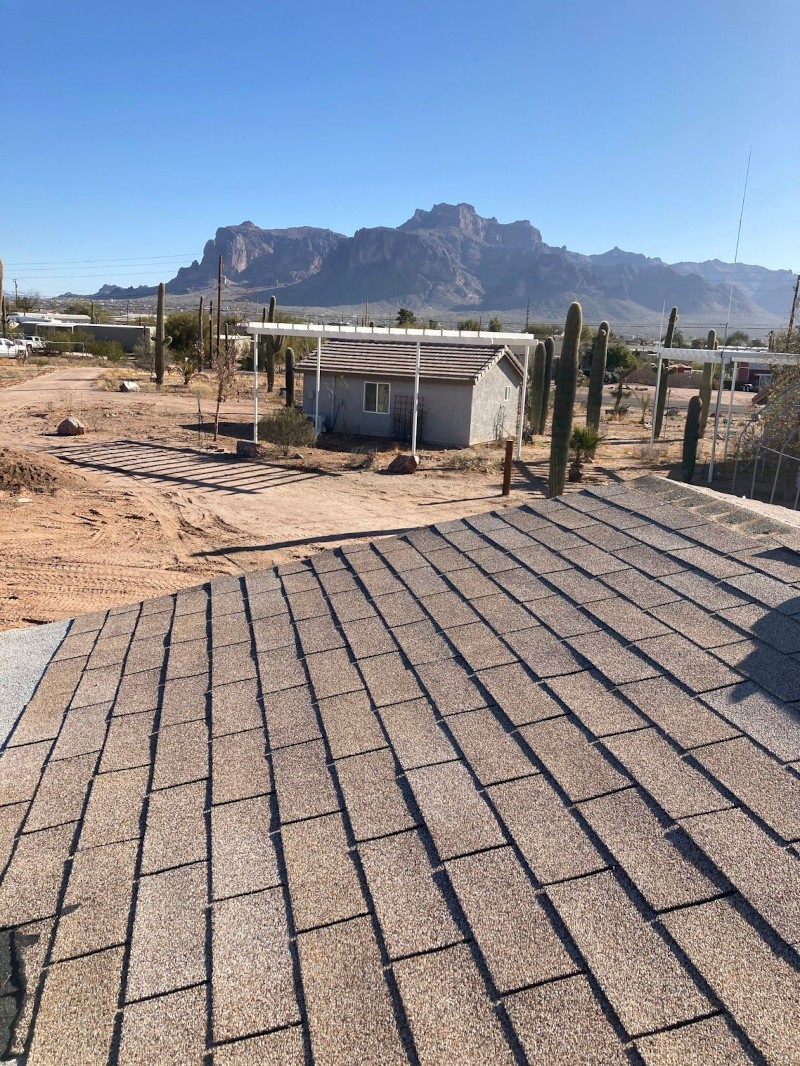
Shingles is exposed to extreme heat which leads to premature hardening. UV radiating granules become loose and are washed away, which increases the process of deterioration. Even the high quality architectural shingles undergo a quicker aging process in case of poor attic ventilation or shingle dark color absorbing a lot of heat.
The Tile Roofs and Their Weaknesses.
Concrete tile roof and clay are viewed as the perfect choice in desert climates, and with a good reason. The tiles per se are very resistant to ultraviolet light and heat and may last a few decades. Nevertheless, the tiles are just a component of the roofing system.
The next layer, the bottom of the tiles is the underlayment that normally fails in the heat of Phoenix. Although the tiles can be still in good structural condition in half a century or even longer, the underlayment usually needs to be renewed after two to four decades because of the heat damage to the underlayment. This difference is sometimes neglected by the homeowners, who think that a tile roof does not need any long-term maintenance, and that is why it unexpectedly turns into a repair expense.
Metal Roofing and Thermal Movement.
The metal roofing materials are suited in hot conditions since they reflect the sun and lose heat effectively. When installed well they can outlive over forty years in Phoenix. But the metal will expand and contract more than the other materials thus exerting stress on fasteners and seams.
In case installation is not provided with proper thermal movement, the fasteners may become loose with time, providing water entry points. The heat itself does not destroy metal roofs quickly, but it magnifies the consequences of poor installation practices.
Flat and Foam Roofing Systems.
Flat and low-slope roofs, which prevail in the homes built in Phoenix in the mid-century and in the modern ones, have their own problems. Foam and membrane systems are based on coating to shield against the ultraviolet radiation. Such roofs may decay quickly when they are not re-coated on a regular basis.
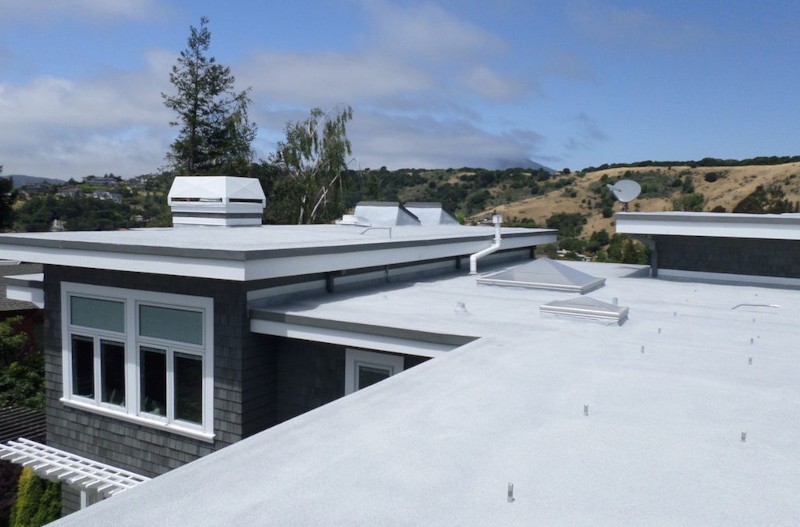
They can also do well in Phoenix when taken care of, but negligence causes failure much faster than people may think. Maintenance cycles are less lenient and shorter in the presence of heat.
The Importance of This Today Like Never Before.
The residents of Phoenix are now headed to a future in which extreme heat is not a problem that may happen a few times a year but a characteristic feature of everyday life. The roofs that are being installed currently have to withstand the conditions which are ever growing. Knowledge of the effect of heat on the life of the roof enables people to make a wise choice concerning the materials, the maintenance of the roof and long-run investments.
If you’d like to know how your roof is holding up under Phoenix’s extreme heat, have it evaluated by Stradling roofing professionals who understand desert conditions and long-term exposure risks.