
How to Spot Wind Damage After a Dust Storm (Haboob)
A haboob may come and go within a few minutes. Once the dust settles, most homeowners only believe that they should simply sweep the patio and change the air filter. The costly problems may arise with this assumption.
It is a dust storm, but a haboob is a high-speed wind that is the result of thunderstorm outflows. According to the National Weather Service, there are winds of 50-80 mph. That force has the ability to loosen shingles, crack flashing and blow debris into siding and windows.
You must also treat it like any serious windstorm especially when the home recently had a dust storm. The following is how to identify the damage of wind after haboob and the subsequent procedures.
What Is a Haboob and Why Wind Damage Is the Real Threat
The term haboob is of Arabic origin and it translates to a fierce wind. These storms are typically in the form of high dust walls that are more likely to be miles long and are formed during the monsoon season in the Southwest. According to AP News, Phoenix has a one to three dust storms every year. In extreme situations, the winds are greater than 60 mph, which is high enough to blow patio furniture and limbs off trees and strain roofs.
Although dust catches the attention of the headlines, wind is the primary cause of structural damages. Sand is then the secondary hazard, removing paint, seals and glass. Searching damage Do not look for leftover dirt, but for wind action.
How to Check Your Roof for Wind Damage After a Dust Storm
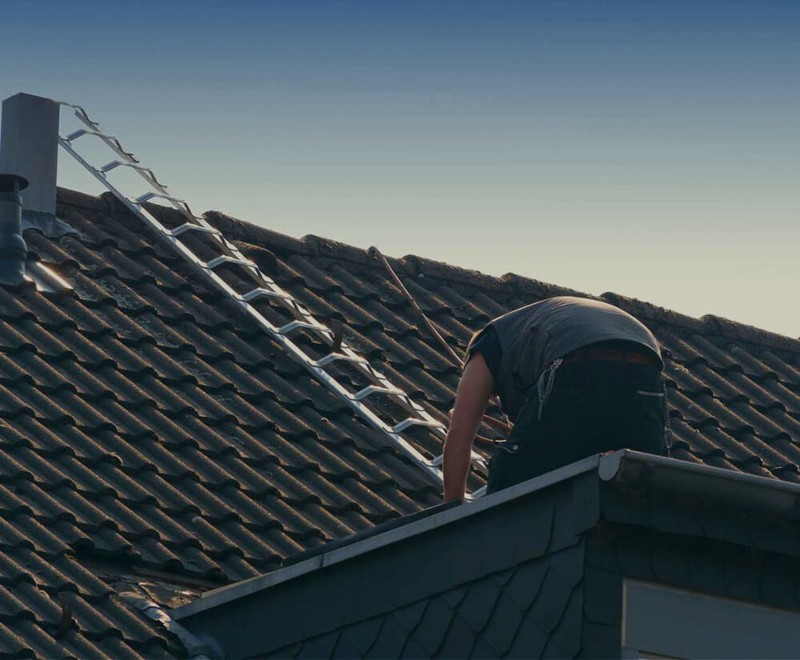
The worst damage is normally done to the roof. Start with ground inspection. Look in places where the shingles are raised, turned up or lost and where there are irregular lines on the roof. These marks normally indicate that the wind has ripped the strips in which the shingles are attached. Secondly, consider gutters and downspouts. In case there are shingle granules inside, that indicates an abrasion or impact damage. Loss of granules reduces the life span of the roof and increases the chances of leakage.
Assuming the safety of using a ladder, check flashing on chimneys, vents and skylights. Strong winds may blow metal flashing and leave openings that allow water to enter when the subsequent rain sets in.
Inspecting Siding, Windows, and Exterior Surfaces for Wind Impact
Wanderingly go around the house and check the siding. Vinyl can be dented and painted that is on wood or fiber cement due to wind-blown debris. Even the small cracks allow the moisture to seep into the wall.
Check window screens, glass, and look at the cracks in glass; chip cracks or spiderwebs. Seals on check windows; fine dust may creep through broken caulking or weather stripping.
Examine garage and exterior doors. Powerful winds are able to bend them and stabilize tracks or hinges. The door that cannot lock tightly could be moved as a result of wind pressure.
Examining Gutters, Downspouts, and Drainage Systems
Gutters can be stuffed with leaves, twigs and compressed dust by the wind. The system may become clogged and result in the water backing up in another storm.
Following a haboob, remove all the debris in sight. Check gutters by running water through them. Search those areas that have been detached by the fascia board; loose hangers can be a sign of wind stress.
Drainage problems are usually manifested during heavy rains. Treat them at the initial stage to avoid water spoilage of siding and foundations.
Checking Your HVAC System for Hidden Dust and Wind Issues
The HVAC systems are put under heavy strain by dust storms. Filter clogging by fine particles is rapid. Using your system with a clogged filter will slow airflow and overload the blower motor. Change the air filter with every great dust storm. Check outdoor condensers to get rid of rubbish; brush off leaves and dirt to maintain air flow.
External vent covers; during high winds, they may be blown out of shape or lose their fix and allow moisture and pests to enter the ducts. The expensive repairs can be saved by changing a filter. Don’t skip this step.
Understanding Insurance Coverage for Haboob Damage
Most owners of homes believe that all dust storm damage is insured. That’s not always the case. According to the Insurance Information Institute, the normal policies include structural wind damages. Damage is normally covered in case of a window being blown out by wind or shingles being stripped off.
In most cases, dust cleanup is not covered. In case sand gets into your home and does not break anything then it might not be covered. Check your policy and snapshots of all the wind damage you can see.
Real time recording enhances your argument and expedites the procedure.
Protecting Your Home Before the Next Dust Storm
Preparation lowers risk. Prune bushes off the roof, fasten loose outdoor objects, and ensure that the shingles and flashing are in place.
According to climate experts, certain monsoon systems are strengthening hence wind occurrences can only deteriorate with time. Prevention measures can be taken so that damage of tomorrow is curtailed today.
It is not necessary to notice any leaks, a house that seems to be alright after haboob can also be damaged.
Call Stradling Roofing for a Post Haboob Roof Inspection
Don’t guess at the condition of the roof, when a dust storm has just happened to your home. Damage by wind is frequently in view sight.
Stradling Roofing also offers quality post-storm inspections that ensure that small problems are identified and converted into large repairs. Our team is aware of the impacts of haboob winds on roofing systems under desert climate. Shingles, flashing, ventilation, and drainage are inspected by us with accuracy.
Guard your house and your sanity. Call Stradling Roofing to have your professional roof inspection done, to be sure that your home is solid before the next storm hits.