Emergency Roof Repair: What to Do During a Desert Storm?
Desert storms are often swift and leave something in their wake. Strong winds, blowing sand or hail, and sudden rain can rip shingles from a roof and expose underlaying and cause roof leaks in minutes of time. When that occurs, homeowners are often confronted with a pressing question. What do you do when your roof leaks during a storm?
Emergency repair of a roof is aimed at halting further damage before a permanent solution can be possible. The goal is not a full repair. Instead, it’s more important to protect your home, keep water out and stay safe until the professionals repair the problem.
Why Desert Storms Cause Sudden Roof Damage
Desert regions suffer from unique weather patterns which leave roofs vulnerable. Storm systems can cause intense wind gusts, blowing debris and intense rain suddenly following long periods of drought. These conditions exert severe stress on roofing materials.
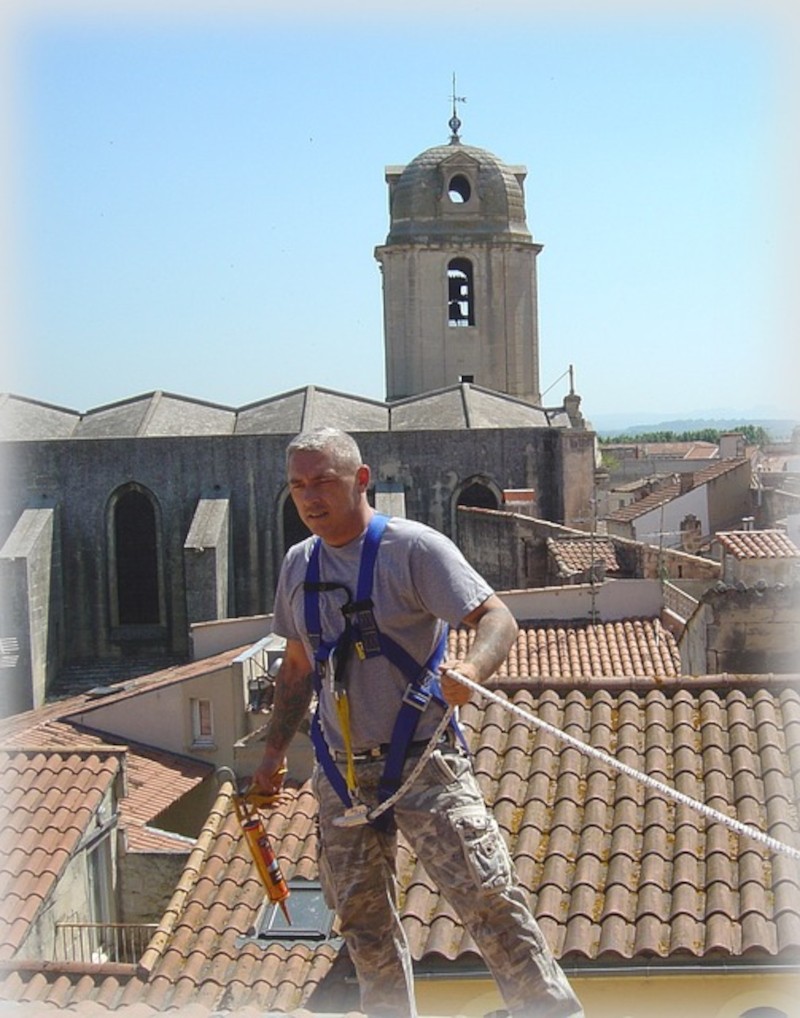
Wind is often the greatest factor. High gusts can loosen shingles, rip-off flashing or even lift portions of roofing. Once the protecting surface is damaged, rainwater can get into the structure very quickly.
High Winds and Flying Debris
Desert storms can often bring violent winds with sand, branches and debris. These materials can hit the roof at high velocities and cause shingles or tiles to be damaged. Even small impacts can cause weak points that let in water to the home.
Other concerns are loose roofing materials. Once the edge of a shingle or tile is lifted by the force of wind, other materials can be more easily damaged. This can cause extensive damage throughout the roof surface.
Sudden Rain After Long Dry Periods
Desert climates tend to go with extended periods of time without rain. When storms finally come, roofing materials may already be brittle from exposure to the sun and temperature. During a storm, heavy rain may use these weak points.
Water may enter through small cracks or lifted shingles. Once in, it may be destructive to insulation, drywall, electrical systems, as well as ceilings.
What To Do Immediately During a Roof Leak
When a Desert Storm causes roof damage, safety is the first priority. Many homeowners have the urge to climb on the top of the roof immediately. This can be very hazardous during active weather.
Stay Inside and Protect Your Household
The first step is to contain everyone inside and away from the damaged area. Wet surfaces, high winds and lightning make access to the roof unsafe during a storm.
Move furniture, electronics and valuables away from areas that are leaking if you can. Place buckets or containers under active drips to collect water and reduce interior damage.
Reduce Interior Damage
If water is entering into the home, take simple steps to protect your belongings. Towels, plastic sheets and containers can be used to control water until the storm passes.
It may also be useful to ease pressures from a bulging ceiling. If the water collects above drywall, this can form a bubble and the bubble can collapse. Careful puncturing of the lowest point with a small tool may permit water to drain into a bucket. This prevents a sudden collapse of the ceiling.
Document Visible Damage
Take pictures of any leaks or damage that is visible inside the home. This documentation will help in the event of making an insurance claim in the future. Record where there are leaks, stains of water and any damage to the ceiling.
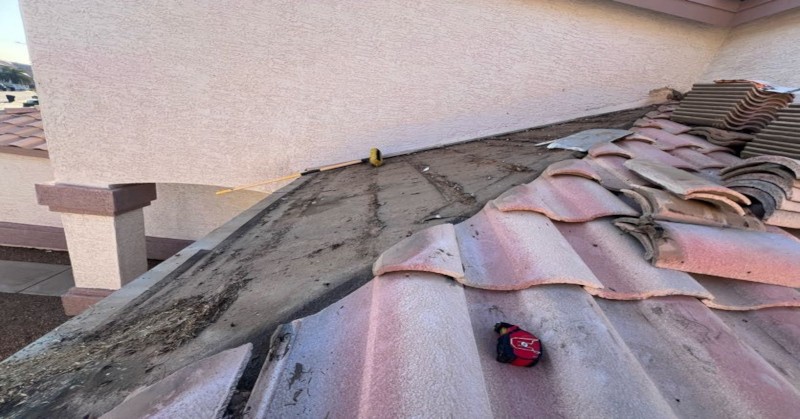
Avoid scaling to the roof to take pictures. Ground level photos and interior images are normally sufficient for initial documentation.
Temporary Emergency Roof Protection After the Storm
Once the storm passes, as soon as conditions are safe, homeowners can take limited temporary measures to protect the property. The purpose of the above acts is only to prevent further damage until professional repairs get under way.
Cover Exposed Areas With a Tarp
One of the commonest solutions for emergencies is a roof tarping. A properly secured tarp can prevent the rain from getting into damaged sections of the roof.
However, the installation needs to be done carefully. Incorrect placement or improperly fixed tarps can cause moisture to be trapped or wind to exacerbate the damage. Many homeowners prefer to call professional roofers for emergency tarping services instead of themselves trying to do it.
Clear Debris From the Roof Area
Branches, leaves and debris can retain water and further damage it. Clearing debris from gutters and roof edges may encourage proper water drainage.
This step should only be done if conditions like the roof is stable and safe. If there is structural damage or loose materials, it is best to wait for professionals.
Avoid Permanent Repairs Too Soon
Homeowners are sometimes tempted to replace shingles or do major repairs immediately. This can cause problems with insurance claims.
Insurance providers often have to inspect for damage from storms before work permanently repairs the property. Temporary protection is usually acceptable but full repairs are best left until the claim process starts.
Why Professional Roof Inspection Is Critical
Emergency roof damage may seem small at first glance. Small leaks might be covering something larger beneath the surface. Professional roof inspections help to identify these hidden issues.
Experienced roofing contractors know how to test flashing, underlayment and structural components that are difficult for homeowners to assess. They are also able to provide documentation required for insurance claims.
Professional inspections are also of use to diagnose whether a repair or entire roof replacement is needed. In many cases, early repairs save a lot of money later in the form of much more expensive damage.
How To Avoid Roofing Scams After a Storm
Storm damage commonly lures contractors that offer fast and cheap repairs. While there are many roofers who will give you excellent service, there are companies that will take advantage of homeowners in emergency situations.
Be wary of door to door contractors making immediate repairs without documentation. Always check licenses, insurance coverage, and local business associations before signing any agreement.
It is also important to check contracts carefully. Do not pay the whole amount in one go and ensure that the details of the repair are written.
Preventing Future Emergency Roof Repairs
Regular maintenance will help decrease the occurrences of storm-related roof emergencies. Annual inspection of roofs aid in locating loose shingles, worn flashing, and other weak points before severe weather sets in.
Cleaning gutters and removing debris also safeguards the roof against water accumulating. In regions with much desert, the use of heat resistant materials and impact resistant shingles can help improve storm durability.
Preventive care is also often much cheaper than emergency repair repairs. A well maintained roof is in better condition to handle the sudden desert storms.
Protect Your Home Before the Next Storm
Desert storms are unpredictable, but your response does not have to be. Knowing what to do in case of a roofing emergency can help keep your home safe, minimize water damage, and save lives.
If your roof has suffered harm from wind, hail or sudden storms the best way to deal with it is to have your roof inspected by experienced professionals. Contact Stradling Roofing today to schedule a maintenance check or emergency inspection. The team can assess the damage and help you move on with reliable repairs before the next storm strikes.