The Cost of a New Roof in Phoenix: A 2026 Guide
Residential roofing Phoenix market has reached a significant turning point in 2026. Homeowners in the Valley of the Sun have a new set of challenges here due to the extreme desert heat and new building regulations. Replacing a roof is no longer a home improvement project. It has become a strategic move to save your property value and your home from not being insurable. With temperatures often soaring above 110 degrees, building materials that will protect your home have to work harder than ever before.
As of early 2026, it is common for the average cost to replace a roof on the average Phoenix home to be between $8,856 and $11,694. This price is for homes ranging from 1,600 square feet to 2,000 square feet. However, these numbers may vary according to the materials you select and the specific needs of your property. Understanding these costs and what’s causing them is essential for any homeowner looking into the future.
Understanding the Factors Influencing Phoenix Roof Replacement Costs
The main reason for the increasing cost in the Phoenix area has been the adoption of the 2024 Phoenix Building Construction Code. This new set of rules are mandatory from August 1, 2025. These regulations demand increasing energy efficiency standards and structural resilience from monsoon winds. Every new roofing permit now requires documentation that the materials to be used meet these rigorous guidelines. This does ensure your home is safer, but they also make the initial investment more expensive for a quality installation.
Labor shortages have also played a major part in the local market. Arizona recently experienced drastic decline in construction jobs that has left skilled roofing crews more difficult to come by. Since roofing in the Arizona heat is highly specialized and requires a certain level of safety protocols and expertise, labor costs now make up 50 percent to 60 percent of your entire bill. This “Phoenix Premium” is in recognition of the difficulty of the work as well as the fine level of craftsmanship required to insure a roof would survive the extreme UV radiation of the Sonoran Desert.
Comparing Popular Roofing Materials and Their 2026 Prices
Asphalt shingles are still a favorite among many citizens because of their cost saving upfront. In 2026, you will be able to anticipate paying between $3.50 and $6.00 per square foot for an installed shingle roof. While these materials have advanced to contain UV resistant granules, they usually last 15 to 20 years in the desert. Homeowners looking to remain in their homes for a short time sometime are often found to be the most economical route forward.
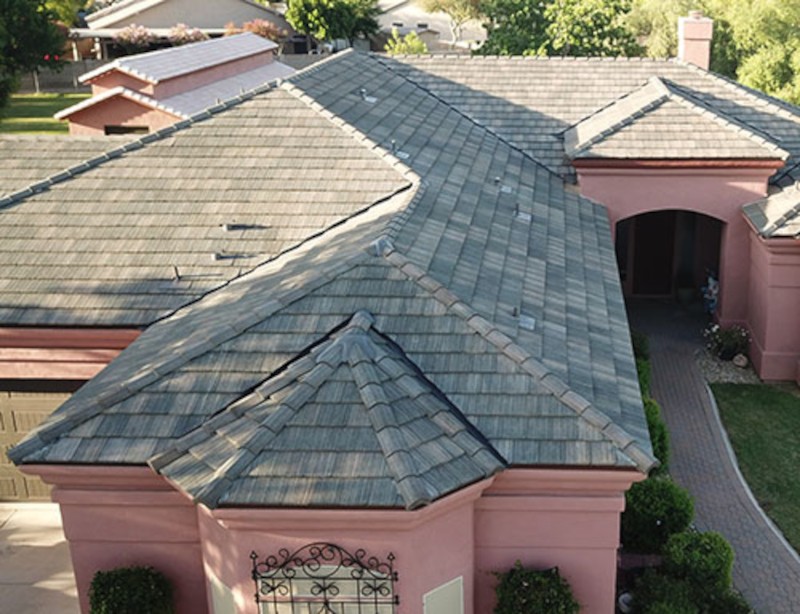
For those who are seeking long term durability, concrete and clay tiles are the norm for Arizona architecture. These systems cost between $7.00 and $18.00 per square-foot when installed. The reason for such a wide price range is attributed to weight of the tiles and quality of the waterproof underlayment used under the tiles. While the tiles themselves may last for half a century, underlayment usually requires attention much sooner. This establishes a unique maintenance cycle which the Phoenix home owners have to be prepared to take care of.
The Financial Impact of the Arizona Insurance Crisis
The insurance game in Arizona has changed dramatically in the past 24 months. Average annual premiums have increased by 28 percent to what is now a typical score of $1,640. Insurance companies are now much more aggressive about re pricing heat and monsoon damage related risks. Many carriers are having to move away from full replacement coverage for older roofs. Instead, they are using actual cash value models that pay out less the older the roof gets.
In the event that your roof is more than 15 years old, this means that you may not be able to sustain your current level of coverage. Insurance companies have become the enemy of the old Phoenix roof, and now consider their roof a liability instead of an asset. This is a change that has made it important for homeowners to be able to keep detailed records of all repairs and inspections. Having a “proof of health” for your roof can help you avoid being dropped by your carrier or being hit with a massive spike in your monthly premiums.
How Cool Roof Technologies Reduce Long Term Expenses
One of the best defenses against up-front installation costs is the use of “cool roof” technologies. These materials are designed with a high Solar Reflectance Index to reflect the sun’s rays away from your home. By keeping the roof from absorbing as much heat, these systems can save you from 10 percent to 30 percent of your monthly cooling bills. This is especially useful in Phoenix where air conditioning systems are running almost all the time for several months out of the year.
Modern cool roofs use special granules or coatings to keep the roof significantly cooler than traditional dark roof shingles. While it may be slightly more expensive to get the material in the first place, the energy savings often help you to pay back the premium within five to seven years. As energy prices continue to rise in 2026, the return on investment on a thermally efficient roof has been higher than ever before. This makes it a smart choice for anybody who is looking to reduce their overall cost of home ownership.
Navigating the Underlayment Paradox in Tile Roofing
A common myth in the Valley is that a tile roof will last forever without doing any work. While the concrete or clay tiles last longer than hell, the felt paper used underneath it is easily dried out and cracked. In the Phoenix heat, this underlayment usually turned to dust in 20 years. When this occurs, the tiles may have a good appearance when the roof is no longer waterproof. This situation often causes unexpected leaks in the summer monsoon season.
To get around this, many contractors now have a service called a “lift and reset.” Professionals remove your existing tiles and replace the old underlayment with modern synthetics and then replace the old tiles with the originals. This approach offers the protection of a brand new roof at about half the price of a complete roof replace. It also means less landfill waste, so it can be an environmentally friendly choice for homeowners anxious to protect the look of their home while repairing the structure underneath.
The Rise of Smart Roofing and Future Ready Systems
Technology has come to the roofing industry through integrated thermal sensors and moisture monitors. For one additional cost of $800 to $1,500, you can have sensors installed that can alert you to potential leaks before they cause major damage. These tools are becoming a standard expectation in high end homes in the Southwest. They provide peace of mind by giving you the real time data about how your roof is doing during extreme weather events.
Another forward looking trend is the use of solar ready asphalt systems. These roofs are fitted with pre installed mounting points and electrical conduits. This kind of preparation reduces the cost of adding solar panels in the future by up to 40 percent. It also ensures that your roof warranty is still intact when you eventually decide to go solar. Investing in these modular systems today can save you thousands of dollars in the labor and material cost down the road.
Take Action to Protect Your Phoenix Home Today

Maintaining a healthy roof is the most important thing that you can do to protect your biggest investment. Whether you need a simple inspection or a full replacement, you will always save money in the long run if you act early.
Do not wait for a leak to inform you that your roof has gone bad. Contact the professionals at Stradling Roofing today to schedule a comprehensive diagnostic audit and ensure your home is ready for the next summer.