The Pros and Cons of Clay vs. Concrete Tiles
It may be easy to decide between clay and concrete roof tiles until you get to the fine print. Both materials are assured to last decades, have exceptional curb appeal, and more than asphalt shingles. But the two tiles act in quite different ways, in price, and in the weight they give on your roof. This guide dissects what is really important to homeowners choosing between clay tiles and concrete tiles. In addition, we pay attention to the trade-offs that are omitted in the majority of blog posts.
Clay vs Concrete Roof Tiles: What Actually Separates Them
Clay tiles are formed out of natural clay that has been fired at high temperatures in a kiln. The color is embedded within the material and thus can never be washed away by UV rays. Concrete tiles are made under an alternate formula: Portland cement, sand, water, and iron oxide pigment stamped into moulds. Manufacturers are able to mold concrete to resemble slate, wood or barrel clay, and provide the homeowner with much greater design options.
The largest physical distance is weight. Concrete tiles are approximately 820-1100 pounds per 100 square feet. Clay is in the 600 to 650 pound range. It is that 40 percent difference which determines whether or not you are going to reinforce your roof framing before you install it. Therefore, the kind of tile you choose determines the structural engineering of the project, and not the appearance.
Clay Tile Roof Pros and Cons for Homeowners
Clay has a reputation on longevity and stability of color. With a correctly installed clay tile roof, the roof life span is 100 years or more. The color is permanent since it burns into the substance itself. Clay further does not absorb as much water as concrete (approximately 6% compared to 13%), thus resulting in reduced efflorescence and staining over the decades.
The cons are actual, albeit. Clay is expensive initially, usually twice as much as concrete. It breaks during freeze-thaw cycles, thus eliminating it in much of the Midwest and the Northeast. The shattering of individual clay tiles is not due to chipping but to breaking, and a branch or an irresponsible foot usually leaves some trace. The color choices remain restricted to natural earth colors as clay is not able to receive paint once fired. Also, replacement tiles that can match decrease in production as the older profiles are no longer produced.
Clay Tile Roof Lifespan: The Underlayment Truth
This section is omitted in most of the articles. One of them is a 100-year-old clay tile on a base of asphalt which has a short life of 20-30 years in hot climates. Water slowly escapes under the tiles, the underlayment dries up and the roof requires complete liftandrelay many years before the tiles themselves are worn out.
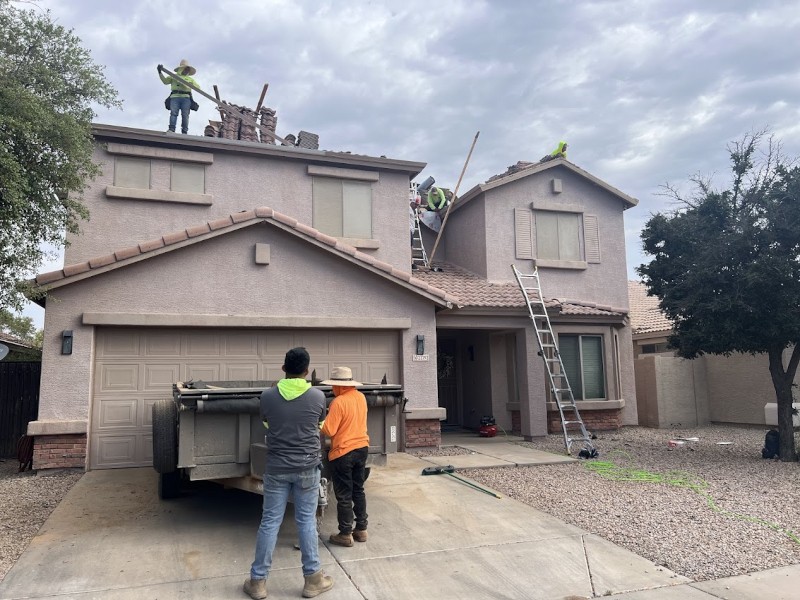
A lot of the tiles crack in that process, so you do not very often come across a 100-year-old clay roof on its original install. Thus, lifetime claims should be considered the potential of the tile, and not the guaranteed serviceability of the roof system.
Concrete Roof Tiles: Pros, Cons, and Cost Advantages
The best value case of tile roofing is on concrete tiles. They are usually half the price of clay, about 7-10 actual installed per square foot, compared to 10-15 or more of clay. In most climates concrete also has a life span of 30 to 50 years. It is able to freeze-thaw without breaking and this makes it the sole serious tile alternative in colder areas. Concrete also takes up the heat but it does not transfer much of the heat to the attic, thus helping to regulate the indoor temperatures in hot climates.
Impressive performance of wind
When properly built, concrete tile systems are rated by engineers to withstand the wind to 180 mph. The trade-offs however, count. Concrete retains more water which escalates the chances of disease like mildew and raises the effective weight during storms. The pigment of the surface wears off after 10 to 15 years and a repair tile never looks like a roof that has been used a long time. These weight additions frequently cause an inspection and potential reinforcement of the framing of older houses by a structural engineer. Nevertheless, in the majority of climates, and most budgets concrete yields the more practical payback.
Tile Roof Myths Homeowners Still Believe
Buyers continue to fall prey to three myths. First, tile is not excessively heavy in most post 1980-built homes in tile-prone areas, although retrofit in other areas may require reinforcement. Second, new concrete tiles can have a white streaking (called efflorescence) that is not a defect. It fades away in 12-24 months.
Thirdly, tile roofs are non-combustible at the tile level, but in case of wildfires, the underlayment, eaves, and roof deck ignite with embers. This knowledge helps to avoid stress in the future.
Talk to Stradling Roofing Before You Commit to Clay or Concrete
The decision to use clay or concrete tiles warrants an extended discount. It entails a sincere examination of the structure of your home, your climate and your intended longevity. Stradling Roofing assists homeowners to consider both choices without any upsell pressure and straight answers. We give you a personal visit to your framing, describe the actual costs difference and suggest us which tile system will fit your home (not a sales script). Call Stradling Roofing to have a tile roof evaluation constructed with your interests in mind.