
Monsoon Roof Preparation in Phoenix
I’m Brian Stradling, owner of Stradling Roofing, and monsoon roof preparation in Phoenix is one of the most important things you can do for your home each year. In this guide I will show you what to check before the storms roll in, what damage to watch for, and what to do if your roof starts to leak. I have spent years working on roofs across the Phoenix area, and I have seen what these summer storms can do.
Stradling Roofing is a locally owned Phoenix-area roofing contractor. We work on tile, flat, foam, shingle, and commercial roofs all over the East Valley, from Gilbert and Mesa to Chandler, Queen Creek, and Scottsdale.
How do I prepare my roof for monsoon season in Phoenix?
You prepare your roof for monsoon season in Phoenix by getting it inspected before the storms hit, clearing your roof and drains of debris, checking for cracked or loose tiles, and fixing small problems before the rain and wind find them. The goal is to catch weak spots early, while the weather is still dry and calm.
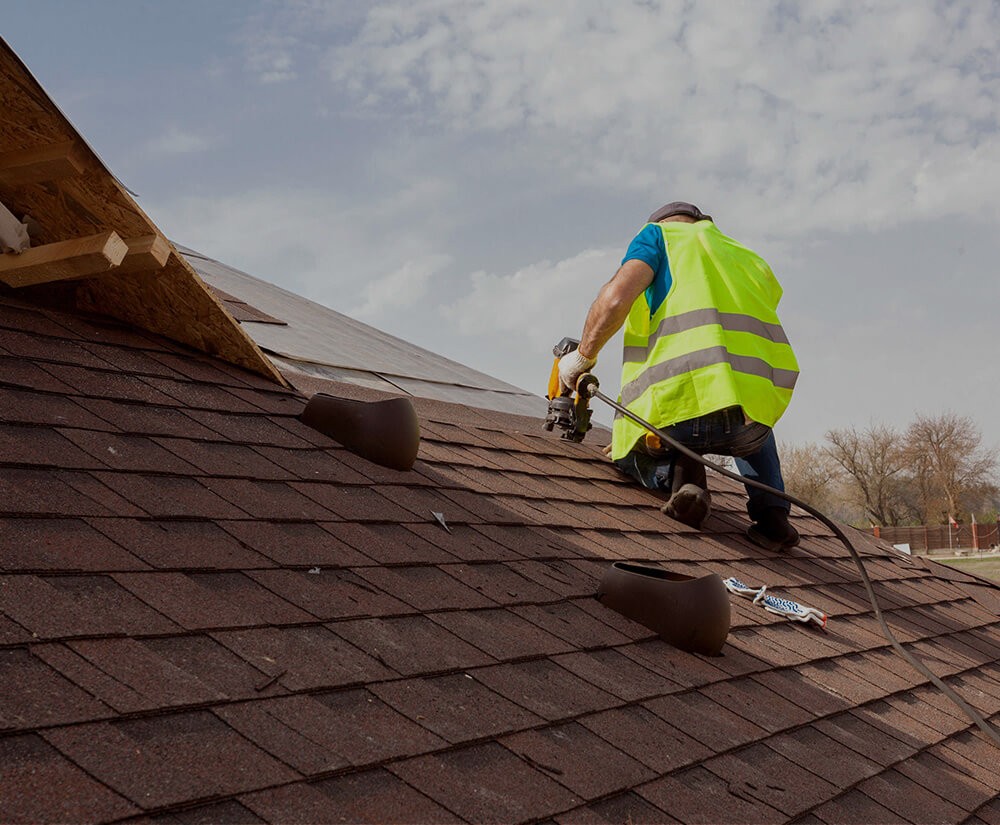
Monsoon storms in Arizona bring heavy rain, strong wind, dust, and sometimes hail, often all at once. A roof that looks fine in the dry months can still have worn underlayment, lifted flashing, or a hairline crack waiting to leak. One thing I tell homeowners is that the best time to deal with these issues is before the first big storm, not after water is already in the house.
Brian’s quick take
Here is my honest take after years on Phoenix roofs. Most monsoon damage I see did not start with the storm. It started with a small problem that nobody caught in time, and the storm just exposed it. If you do one thing this summer, get your roof looked at before the heavy weather. A quick inspection now is a lot cheaper and easier than chasing a leak in the middle of a downpour.
When does monsoon season start in Arizona, and why does it matter for your roof?
Arizona’s monsoon season generally runs from the middle of June into late September, and it matters because that is when your roof faces the toughest weather of the year. The combination of wind, rain, and dust puts real stress on every part of the roof.
In the dry season, a small crack or a worn spot may not cause any trouble. Then the monsoon arrives with driving rain and gusty wind, and suddenly water has a way in. When I inspect a roof before the season, I am looking for the weak points that these storms tend to attack. Getting ahead of it gives you time to make repairs while the weather still cooperates.
What monsoon roof damage should Phoenix homeowners watch for?
The most common monsoon roof damage in Phoenix includes cracked or broken tiles, lifted or missing shingles, damaged flashing, clogged drains and valleys, and leaks that show up as water stains on the ceiling. Wind and flying debris cause a lot of it, and heavy rain finds any gap that is already there.
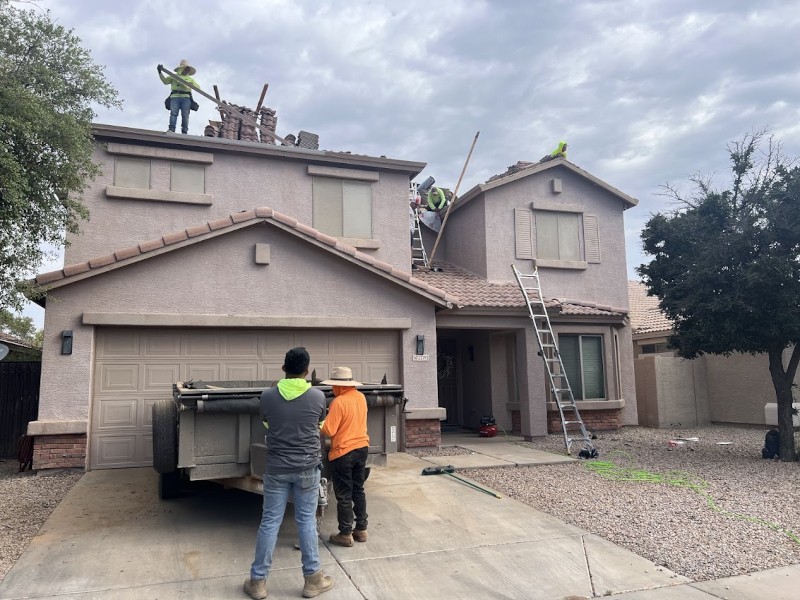
On tile roofs, the tile is only part of the system. The underlayment beneath the tile is what really keeps water out, and in Arizona that underlayment can wear down from years of heat and sun. A storm can lift or crack tiles and let water reach worn underlayment, which is when leaks start. After a storm, I tell people to look for cracked tiles, debris piled in valleys, and any new stains inside the home. A small leak can turn into a bigger problem fast if it is ignored.
What should you do if your roof leaks during a monsoon storm?
If your roof leaks during a monsoon storm, move valuables out of the way, put down a bucket or towels to catch the water, and try to contain the area until the storm passes. Do not climb onto a wet roof during a storm, since that is dangerous and the damage can usually wait a few hours.
Once the rain stops, call a roofing contractor to inspect and repair the source of the leak. The spot where water shows up inside is often not the spot where it got in, so finding the real entry point takes some experience. At Stradling Roofing, we would rather give you a straight answer than sell you work you do not need, so we track down where the water is actually coming from before we recommend a fix.
Frequently Asked Questions
How often should I have my roof inspected in Phoenix? Most Phoenix homeowners should have their roof inspected regularly and after major storms, especially if the roof is older or has had past leak issues. Arizona heat, monsoon storms, and sun exposure are hard on roofing materials, and an inspection can catch small issues early.
Can I prepare my roof for monsoon season myself? You can do simple things like clearing debris from the ground level and watching for stains inside, but climbing on a roof is risky. It is safer to have a roofing contractor handle the inspection and any repairs.
Does a tile roof really need attention before monsoon season? Yes. The tile protects the underlayment, but the underlayment is what keeps water out. Cracked tiles or worn underlayment can lead to leaks once the heavy rain arrives.
Should I wait until after a storm to fix my roof? It is better to handle known issues before the storms. Small repairs are easier and less stressful when the weather is dry than during an active monsoon.
Do you offer a free inspection? Yes, Stradling Roofing offers a free inspection. It is an easy way to find out what shape your roof is in before the next storm.
Ready to schedule a roof inspection?
If you want your roof ready before the next monsoon storm, I would be glad to help. Reach out to Stradling Roofing to schedule a free inspection, a roof repair estimate, or a roofing consultation. We will take an honest look, explain what we find, and help you make a smart plan for your home. Let’s get your roof squared away before the next big storm rolls through the East Valley.