Best Roofing Materials for Energy Efficiency in the Sun Valley
This is one of the most common roofing questions answered wrong by energy guides by the Sun Valley residents. Popular articles promote white reflective and cool-roofs developed in Phoenix or Miami. Sun Valley is located in IECC Climate Zone 6B, 5,850 feet. The area records more than 7,000 heating degree days annually. During a few weeks, summer temperatures are hardly above 80 o C. Snow loads may reach 150 pounds per square foot during winter. The correct roofing material is resistant to cold, snow, UV and retains heat. Hence the intelligent option would appear otherwise than what you would choose in a climate with cooling climate.
Why Energy-Efficient Roofing in Sun Valley Needs a Different Approach
The three factors working in concert provide energy efficiency in a roof. The heat is reflected out by the solar reflectance. Thermal emittance is a release of absorbed heat to the sky. Attic R-value and air sealing prevent passage of heat in the assembly. Reflectance is required to support the load in hot climates. Sun Valley must be insulated and sealed to the air so that it can deliver heating over a long period. According to the Department of Energy, almost 27 percent of residential energy loss is through poorly insulated roof assemblies. Most of the roofs in Sun Valley are covered in snow between November and April. The fact nullifies any white-roof reflectance advantage in those months. The material decision you make should therefore be based on the climate and not the marketing.
Understanding the Mountain Climate That Shapes Your Roofing Material Choice
The building code in Blaine County makes it mandatory to have roofs that can support 65-150 psf of snow based on the location. Since 1974 Ketchum has imposed a minimum of 100 psf. Roof material is also damaged more quickly in high altitude than in a low-altitude environment due to UV exposure. The cooling loads remain low in summers since most homes do not have central air conditioning. Structural snow performance, winter heat retention, fast snow shedding and longevity against the UV should be priorities in your roofing decision. Under these particular circumstances, style and color are insignificant as compared to performance.
Metal Roofing Delivers the Best Energy Performance for Mountain Homes
The Sun Valley properties are dominated by standing-seam metal roofing. It melts snow quickly, does not form ice dams, and can withstand winds up to 120mph. A good metal roof lasts up to 40-70 years. By comparison asphalt shingles can only handle a maximum of 15 to 30 years. Modern metal panels with PVDF (Kynar 500) finishings retain their hue and finish during decades of abuse in the sun. It is also a material that expands and contracts well in freeze-thaw processes. Carriers often administer up to 35% of the premiums on impact-rated metal systems. The cost of installation is between $7 and 14 per square foot, which is approximately twice asphalt. You do not replace a cycle or two over the service life of the roof, though. The best pitch to install metal to help shed snow without the risk of dangerous snow-slides, should be 3:12 to 6:12 pitch.
Architectural Asphalt Shingles Offer the Affordable Middle Path
The reason why approximately 80% of American homes are covered with architectural asphalt shingles is very simple. They are easy to install at a cost of $3.50-5.50 per square foot.
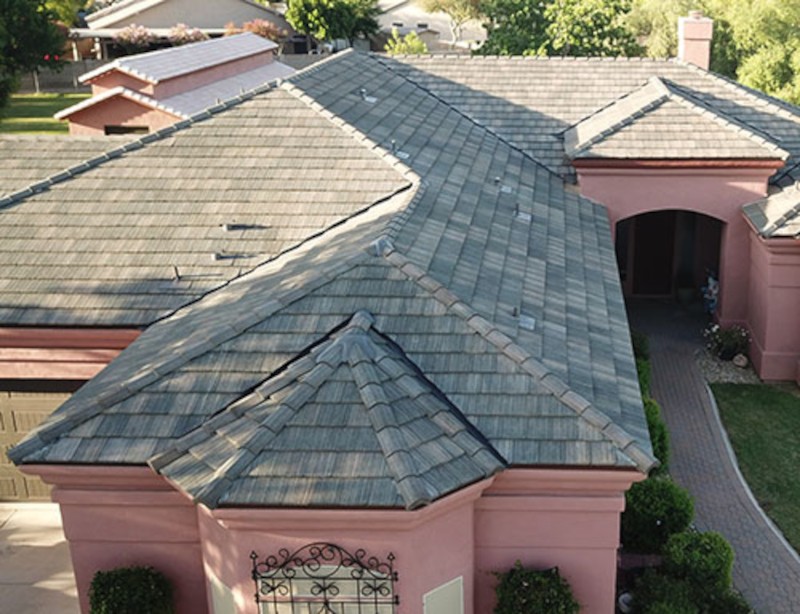
They are also reliable in installation by the contractors on the appropriate underlayment and ice-and-water shield at the eaves. Darker shingles are actually beneficial in cold climates since they absorb passive heat of the sun on winter days. Lifespan is the primary disadvantage. Asphalt shingles cracks, curls and sheds off more rapidly at 5,850 feet. Project 20 years of effective service, perhaps 25 with the highest architectural products. In case you intend to remain in the house less than 15 years, then asphalt offers you the most advantageous investment.
Synthetic Slate and Composite Tile for Premium Durability
Maker products, such as DaVinci Roofscapes and Brava Roof Tile, fill a niche with synthetic slate and composite shake products. They provide slate or shake looks without the structural load required by natural slate with heavy snow loads. The products have impact ratings of Class 4 and a life span of 40-50 years. Concrete and real clay tiles do not work well in this area. They absorb water approximately 13% and break through freeze-thaw.
Why Cool Roofs and White Reflective Materials Miss the Mark in Zone 6B
This drive by the industry towards high-SRI cool roofs is logical in Phoenix, Dallas, or Los Angeles. Math fails in Sun Valley. Simulations at Oak Ridge National Laboratory reveal that Climate Zones 4 and 5 are almost energy-neutral of cool roofs. The area of Sun Valley, Zone 6, slips into the net heating penalty zone. You save less summer cooling than you lose winter heating. Bypass the white membrane selling of a residential home in this area.
Federal Tax Credits Ended But State Rebates Still Help Homeowners
On December 31, 2025, the One Big Beautiful Bill Act ended the 25C Energy Efficient Home Improvement Credit. Homeowners will not be able to reimburse 30 percent of the qualifying roofing materials. But the IRA-funded HOMES and HEAR rebate programs continue until 2031. These are programs administered by the state and are paid in terms of income and calculated energy savings between 2,000 and 8,000. Idaho power and Avista can provide other utility-specific rebates. Always verify the up to date Idaho incentives in the DSIRE database prior to signing a contract.
Get Expert Help Choosing the Right Roof for Your Sun Valley Home
Prepared to modernize your roof? Stradling Roofing plans and installs a roofing system that uses less energy and is designed to fit the climate of Sun Valley mountain.
Our team evaluates the insulation, ventilation, snow load needs, and budget of your home and then suggests a material. Avoid the generic cool-roof pitch and engage experts who are familiar with Zone 6B. Call Stradling Roofing now and get a free onsite evaluation and a no nonsense quote.