The Hidden Dangers of Foam Roofing in the Desert
The homeowners in deserts are exposed to unrelenting heat, heat in the triple digits, monsoon storms, and extreme changes in temperatures. Spray foam roofing is one of the ways that many people opt to use in this harsh surrounding. Claims that are common among the contractors include it being seamless, energy efficient and lasting.
The sprayed foam roofing, also referred to by the name Spray Polyurethane Foam Alliance (SPFA certified SPF systems), employs liquid polyurethane which inflates to a closed-cell foam. This is then covered by installers using a protective elastomeric or silicone surface that protects the foam against ultraviolet radiation and moisture.
Foam roofs have the potential to work in the desert, however, they also have concealed hazards home owners normally do not learn about until things start going wrong. Knowledge of these hazards will enable you make a more intelligent choice of roofing.
Why Foam Roofing Is Popular in Desert Climates
Cities such as Phoenix and Las Vegas are the homes where the inhabitants have developed an interest in using foam due to its high insulation properties. Spray polyurethane foam provides approximately R 6.5 -R 7 per inch, helping to minimize heat loss through flat or low-slope roofs typical of the Southwest. The reflective surface top layer is also a cool-roof surface. The U.S. Department of Energy declares that cool roofs reflect greater sunlight and trap less heat compared to conventional materials. Ideally, that would translate into reduced cooling costs in the desert summers.
Foam roofing is also attractive to the owners of the houses who do not want to have a complete tear-off. Most types of contracts can be sprayed with foam by contractors on top of a roof that is already in place provided that the underlying material is stable. The material is light weight and hence it does not pose a lot of stress on the structure. These merits are the reasons why foam has become typical in desert neighborhoods. But there is risk which does not carry away popularity.
The Real Impact of UV Radiation on Foam Roofs
The desert sun is relentless. Several materials are degraded with time by ultraviolet radiation and spray foam is not an exception. Foams that are not coated might start degrading soon once they come into direct contact with the sun.
Between your roof and the quick destruction lies the protective coating. When that coating wears out or fissures, the foam below begins to chalk, shrink and erode. Even small coating failures can hasten failures in conserving extreme heat.
The conditions in the desert compound the process. On a summer day, the roof remains above 160 0 F. Roofing materials are being expanded and contracted every day by that heat. The coating is stressed by thermal cycling which forms hairline cracks with time.
When you take ages to recoat, UV damages are compounded. Foam can be losing thickness over time, decreasing its insulation and waterproofing properties. A maintenance problem may become structural vulnerability.
Coating Failure and Accelerated Roof Aging
Most of the homeowners believe that their foam roof will take decades without much care. As a matter of fact, manufacturers and industry entities suggest frequent check-ups and periodical re-coating of the area, which is usually after every five to ten years in hot climates. Missing out that maintenance is asking to be trouble. Coatings also erode due to sun, blowing dust, and few cases of foot traffic. When they are weakened they no longer safeguard the foam.
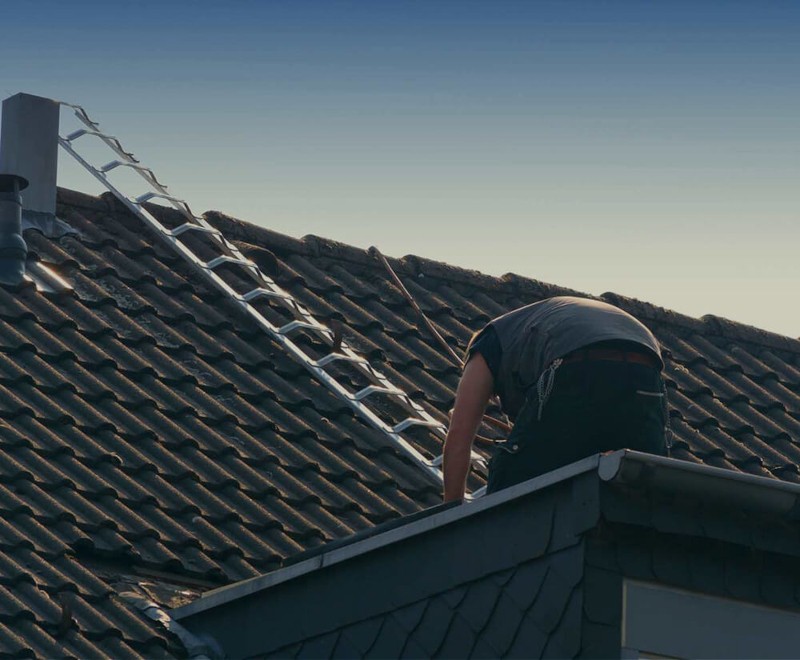
The degradation of the foam makes the repairs more complicated. Damaged parts might require removal by the contractors and re-application of new foam before recoating. Such a procedure is more expensive than a regular maintenance would have been.
Hidden Moisture Problems Beneath the Surface
Water might not be as dangerous in desert, yet the monsoon storms can bring huge amounts of rain within a span of a few hours. Flat roofs handle the drainage poorly and the foam system is dependent on the slope design. When installers sprayed foam on the wet surface or entrap moisture during the application, the issues can still go undetected in a couple of months. The foam creates a strict seal, and can trap the water even to the roof deck.
Stagnant water causes blistering, bubbling and subsequent delamination. It is possible that homeowners may not realize that there is a problem until there are stains on the inside. At that point, the foam may spread the damage to the decking under the foam. Poor drainage poses a different menace. The foam roof by ponding the water underlines the coating, and it also seeps into small cracks. In the long-run, it undermines the system and predisposes it to leakages.
Installation Errors That Create Long Term Damage
Spray foam roofing requires accuracy of application. Crews are required to combine and apply chemicals in the right amount and under appropriate temperature and humidity. Adhesion can be disrupted even by morning dew.
The disappearance of temperature extreme can be observed in desert climates. When the spray of foam is done by a contractor in the wrong conditions it might not bond in the same way. Cavities, sunken areas or irregular thickness may occur.
Such vices might not manifest immediately. Nevertheless, when there is extreme sun and wind, weak spots will wear out quicker. Minor directories grow to huge repair areas in a couple of seasons. Home owners tend to believe that all foam roofs are the same. In actual sense, it is workmanship that decides whether a foam system will prosper in the desert or not.
Protect Your Desert Home with the Right Roofing Partner
Foam roofing is capable of providing insulation and energy. It is also prone to failure before time when the house owners misjudge the intensity of the desert. Do not delay to see the leaks appearing if you are planning to foam roof or you notice that your existing foam roof is not in good condition. Arrange a professional survey and receive an explicit explanation of your choices.
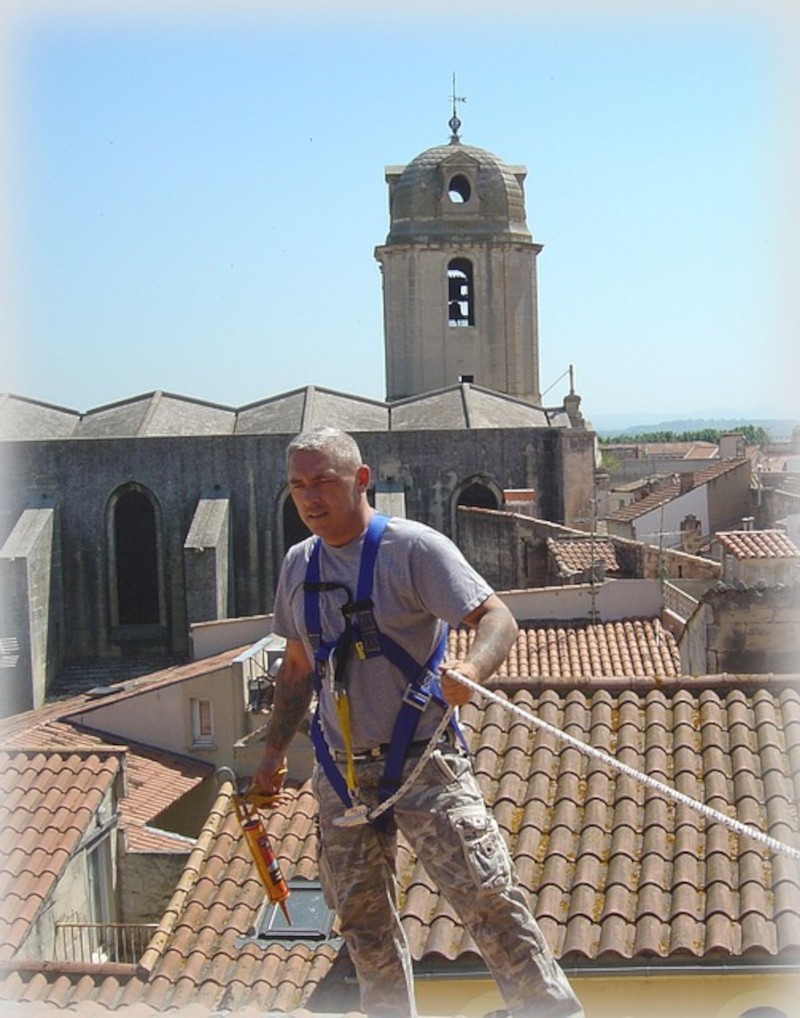
Coming to Stradling Roofing, our crew is aware of the effect of high temperatures, UV rays, and monsoons on desert roofs. We consider every property and suggest the solutions which focus on durability and long-term results.
Get a close inspection of the roof with Stradling Roofing. Secure your home, save on your expenses and make sure that your roof is sturdy against the desert weather.