How to File an Insurance Claim for Hail Damage in Arizona
Hail is not at the top of the list for most homeowners in Arizona. Yet Phoenix has the dubious distinction of the nation’s most expensive single hailstorm, in 2010, which resulted in $3.8 billion in insured losses and damage to more than 150,000 homes. The 2025 monsoon season has only reinforced this: several storms brought tennis-ball-sized hail to Phoenix, Scottsdale, Tempe and Chandler, displacing hundreds of families and damaging part of Desert Sky Mall’s roof.
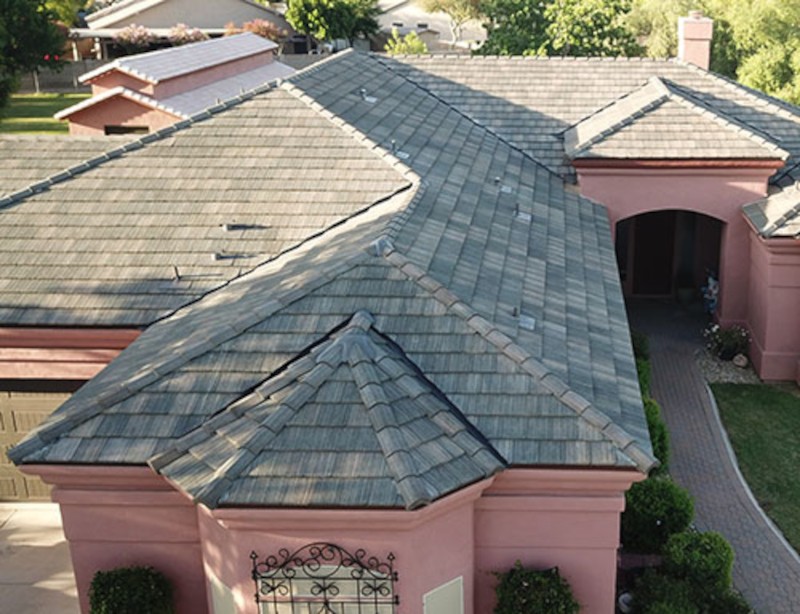
If your home was damaged, what you do in the coming weeks will determine what you receive. Here’s the full run-down.
1. Assess the Damage Right After the Storm
Document before you report the claim. Take photos of all damaged areas from several angles: roof, gutters, siding, windows, and any heating, cooling or solar equipment. Record video where possible. Record the date of the storm and any weather warnings. You can confirm the storm event with NOAA and the NWS Phoenix later.
Don’t repair the damage before inspection. You can cover holes to prevent leaks. Keep all receipts for these items: your insurance policy covers reasonable emergency costs.
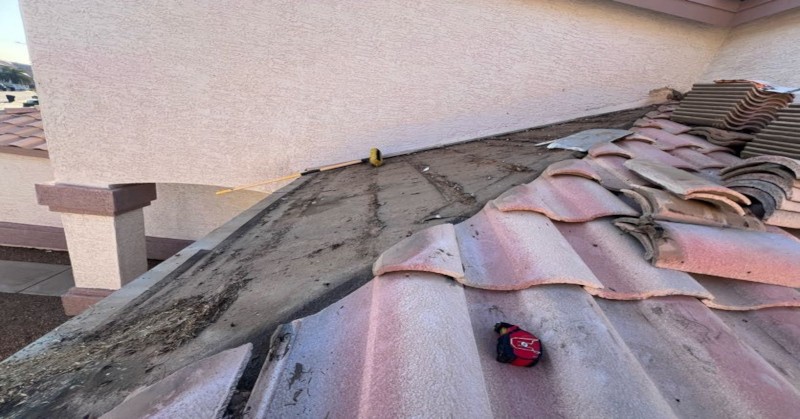
Wind damage is indicated by missing shingles. Hail damage is different: granule loss, bruising and small circular cracks on asphalt shingles or tile. You almost certainly can’t see this damage from the ground. A roofing contractor in Arizona who has submitted insurance claims should inspect the roof before the adjuster. The contractor’s report is your reference.
2. Know Your Policy
Take out your declarations page and read it. There are two policy features that affect your payout the most.
The first is whether you have Replacement Cost Value (RCV) or Actual Cash Value (ACV) coverage. RCV policies cover 100% of the cost to replace your roof with all new material. ACV policies pay depreciation, then the balance. On a 15-year-old roof, that depreciation can be as high as 60%, so your insurer will pay only 40% of the replacement cost. RCV is not mandated by state law in Arizona, and many companies now issue ACV-only roof endorsements in hail-prone ZIP codes.
Second, there’s your deductible. Arizona home policies often include a separate hail and wind deductible, often 1-2% of insured dwelling value. A 2% hail deductible on a $400,000 home is $8,000. This can come as a surprise to homeowners after a storm. Review your declarations page.
Many policyholders in Arizona have cosmetic damage exclusions that let insurers refuse to cover denting, scuffing or granule loss that does not affect the roof’s ability to keep water out. Many of these exclusions are found in frequent hail ZIP codes. If you have this exclusion, you can still file a claim for functional damage (that is, damage that speeds up deterioration, or causes future leaks). Be sure to include that in your claim.
3. Open and Close Your Claim
Open your claim with your insurer’s call center or app. Ask for your claim number and the adjuster’s name. Arizona’s Unfair Claims Settlement Practices regulation (Ariz. Admin. Code R20-6-801) requires the insurer to respond to your claim within 10 working days. They also must acknowledge your communications in writing within 10 working days, and deny your claim in writing with specific reference to the policy provisions.
File as soon as possible. Most Arizona policies also have one-year reporting periods. Arizona’s statute of limitations for property damage claims is two years (A.R.S. 12-542), but that does not extend your coverage. Time is money.
A.R.S. 20-1115 prohibits contractors from waiving, absorbing or rebating your deductible. If a roofer comes to your door after a storm and tells you they will cover your deductible, that is insurance fraud in the state of Arizona. Walk away.
4. Handle the Adjuster Inspection
Be there when the insurance adjuster comes. Provide the adjuster with the written report of your independent contractor and any photos you took of the damage immediately after the storm. Be sure to note all areas of damage. The adjuster represents your insurance company, not you, and may not estimate damage as broadly as it exists. You help keep them on track.
The adjuster will create a repair estimate using Xactimate, the industry standard pricing program. The insurer will use this as their first offer. Think of this as the insurer’s first offer.
Public adjusters are licensed professionals who are paid by you (usually 10-30% of the claim settlement) to negotiate on your behalf. If your insurance company’s estimate is significantly lower than your contractor’s estimate, or if your claim has been disallowed, a public adjuster can open up the scope to get a complete settlement. The Arizona chapter of the National Association of Public Insurance Adjusters’ president, Justin Skipton from Scottsdale, has negotiated more than $100 million in settlements for homeowners. You can check the license of any public adjuster at the Arizona Department of Insurance and Financial Institutions (DIFI) website.
5. Negotiate, Escalate, or Dispute
Don’t be deterred by a lowball or denied claim. First, ask for a re-inspection, with your contractor. Second, attach your repair bids to the claim. Third, if the issue is the amount of repair rather than the coverage, trigger the appraisal clause. The appraisal provision in most policies permits either party to request an independent appraisal: each party hires an appraiser, and a neutral umpire resolves disputes. The appraisal clause is one of the most useful and overlooked provisions for Arizona homeowners.
If the insurer unreasonably delays, unreasonably denies without pointing to a policy provision, or fails to respond to your letters, complaints can be filed with DIFI at (602) 364-3100 or via their website. Arizona bad faith law, allows a homeowner to recover damages for the loss, emotional distress, attorney fees and punitive damages if an insurer acts unreasonably. An insurance attorney can help determine whether your case meets this threshold.
6. Do the Repairs and Receive Full Payment
After you accept a settlement, choose a licensed, local roofing contractor. Be wary of storm chasers who come door-to-door immediately after a storm, don’t have a local address, or insist on a same-day contract. After major storms, the Better Business Bureau in Arizona lists roofing as the most frequent home improvement scam.
If you have an RCV policy, the insurer pays the depreciated ACV. You need to pay for repairs and provide proof of payment to receive the depreciation. Don’t forget this step. It’s easy for homeowners to miss out on money due to the assumption that the first check will be their only payment.
Protect Your Claim Before the Next Arizona Monsoon Season
Arizona’s hail season runs June to October. The most valuable time to check the condition of your home is before the storms start. Document your roof, gutters, and siding with dated photos and video each spring. Read over your deductibles and consider switching to an RCV policy if you currently have an ACV policy.
If you have hail damage from the 2025 monsoons or more recently, you may be running out of time to file a claim. Stradling Roofing is experienced in inspecting for Arizona hail damage, providing comprehensive written reports for insurance claims, and cooperating with adjusters to make sure the full extent of damage is documented. Don’t delay, contact Stradling Roofing today for a complimentary hail damage inspection and take the first step to a fair claim.