
Monsoon-Proof Tile Roofs in Phoenix: A Practical Maintenance Checklist for Every Year
In the Valley of the Sun, the monsoon season isn’t just a summer novelty but a serious test for your home’s tile roof. Those sudden storms, high winds, and dust-filled, annoying haboobs can take a toll.
And without proactive care, believe me, even the strongest tile roofs can develop problems. The professionals, who have specialized in tile roofing in the greater Phoenix area for over a decade, know firsthand how critical a maintenance plan is for longevity and performance.
That is exactly what we are going to tell you down below:
Why Monsoon Season Demands Attention
Monsoon season in Phoenix typically runs from June 15 through September 30. During this time, powerful thunderstorms can develop quickly, bringing wind, rain, and dust. Flash floods, wind uplift, and airborne debris pose real risks to even the most well-built roof. Given the violent weather swings and fine particulate matter that storm winds stir up, neglecting your roof’s prep can lead to leaks, tile damage, or underlayment problems.
What Makes Tile Roofs Susceptible and Resilient
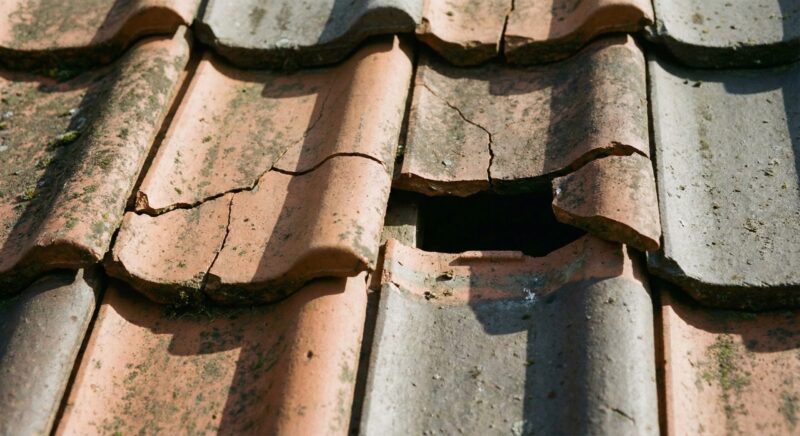
Tile roofs are beloved in Arizona for their durability and style, but they’re not immune to stress. Their weight and structure give them strength, but over time, tiles can crack or loosen, and the underlayment beneath them can deteriorate. Flashing, especially around chimneys, vents, or edges, is another potential point of failure if not maintained. On the plus side, when tile roofs are cared for, they handle monsoons remarkably well. Their mass and interlocking design can resist uplift, and with sound flashing and underlayment, they provide excellent protection.
The Annual Monsoon-Proofing Checklist
A good monsoon-proofing routine starts off with a thorough inspection of tiles. Homeowners should walk the roof-or better yet, hire a professional to look for cracked, chipped, or missing tiles. Extra attention should always be given to areas that see the most stress: spots exposed to high winds or frequent foot traffic. Once the tiles are assessed, next comes the flashing and sealant check.
Cleaning of gutters, valleys, and downspouts is equally important for good drainage. Monsoon rain often falls hard and fast, and a clear path allows water to move off the roof quickly, rather than collecting and causing damage. Downspouts should also be free of blockages so that water moves away from the house efficiently. Lastly, homeowners should remember to trim overhanging branches since violent monsoon winds may whip or even break limbs; these can crack tiles or tear up roof edges. Keeping them trimmed back reduces that risk tremendously.
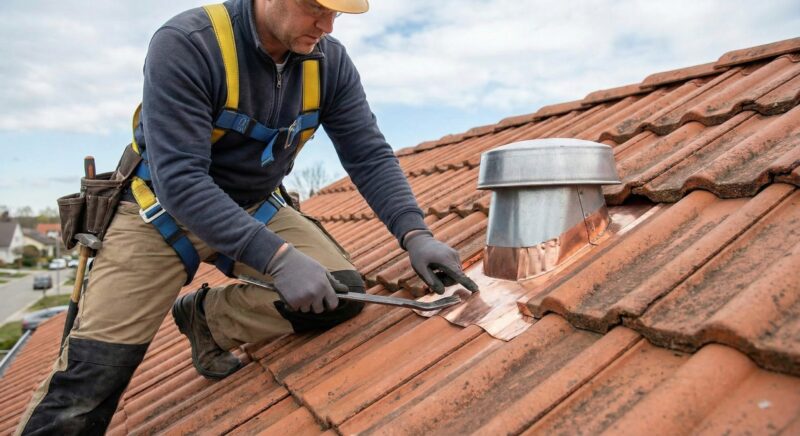
Another important step, better left to the professionals, involves an underlayment assessment. The underlayment underneath tile roofs is really the waterproof barrier, and it does degrade with time. A trained roofer can safely remove tiles and check for wear and deterioration that may go unnoticed otherwise. Along with the varied inspections, owners should always consider one very valuable thing: emergency preparedness. Having your roofer’s contact information at hand, such as Stradling Roofing, for emergency tarping and repair following a storm is one thing. It’s equally good to know where to buy such materials in case you must take sudden action.
Homeowners should perform a careful post-storm inspection after every major storm. Check for shifted tiles, damaged flashing, or water stains in the attic that could indicate problems in need of attention. Lastly, Phoenix residents should be prepared to clean up after haboobs. Dust storms often leave behind fine particles that may obscure damage or block drainage paths. A soft wash or professional cleaning after a major haboob helps keep your roof healthy and prevents debris buildup in valleys or under tiles.
When to Call The Experts (Industry Professionals)
Some roofing problems should always be left to the professionals. A homeowner would do well to call in a pro if they find cracked, broken, or missing tiles; peeling flashing; or deteriorated sealant. One of the best ways to catch small problems before they become costly repairs is a pre-monsoon inspection by a qualified roofer. And whenever a storm causes visible or suspected damage, especially if emergency tarp work is in order, industry pros should be contacted straightaway.

Proactive Maintenance Provides The Real Value
Taking the time to monsoon-proof your tile roof pays off in plenty of ways. From helping prevent water damage to reducing the risk of leaks and protecting the underlayment from deterioration. Add to it the extended lifespan of the entire roofing system and well-maintained tile roofs that last for decades. Addressing small issues early also saves money since minor repairs are far cheaper than a full replacement. Above all, maintaining your tile roof each year brings true peace of mind, knowing your home is ready to take on the harsh storms and unpredictable weather that come with Arizona’s monsoon season.
At Stradling Roofing, we don’t believe in quick fixes. We believe in smart, local solutions that help your roof hold strong through every season.
Your tile roof is one of your home’s most visible features and its first defense against Phoenix’s monsoons. By following this annual checklist (or working with experts like Stradling Roofing for inspections and repairs), you safeguard your investment and ensure your home stays dry, safe, and structurally sound.
Want to get your roof monsoon-ready? Contact Stradling Roofing today to schedule an inspection before the next storm hits. Let’s make sure your tiles, underlayment, and flashing are all in peak shape so you’re ready for whatever monsoon season brings.