
5 Subtle Signs of Roof Damage After a Phoenix Monsoon
Phoenix monsoons are unlike any other storm season in the country. With walls of dust, punishing wind, and sudden downpours, these summer storms put every roof to the test. Many homeowners breathe a sigh of relief once the skies clear, assuming their roof is fine because there are no missing tiles or obvious leaks. Unfortunately, some of the most costly problems hide in plain sight. A proper post-monsoon roof inspection can reveal issues that are invisible at first glance but dangerous in the long run.
Here are five subtle signs of roof damage Phoenix homeowners should know about. Spotting them early can help you avoid expensive roof leak repair in Arizona down the road.
Sign #1: Asphalt Granule Loss
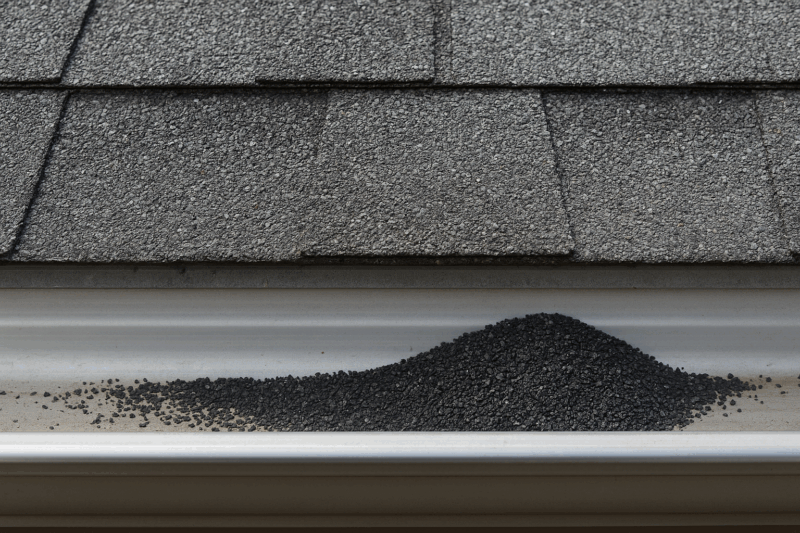
If you have an asphalt shingle roof, the first thing to check after a monsoon is whether the shingles are shedding granules. These granules look like coarse sand and form the protective top layer of the shingle. Intense rain or hail can wash them away, leaving bare patches that look smoother or slightly discolored.
Homeowners often notice the aftermath in the gutters or at the base of downspouts. If you see black or gray sediment piled up, those are likely granules that washed off during the storm. Even if the roof surface looks mostly intact, that loss is an early warning sign.
Granules shield the shingles from UV rays and water. Without them, the asphalt underneath ages rapidly and becomes brittle. Left unchecked, this subtle form of storm wear accelerates roof deterioration. A professional should evaluate how extensive the loss is, since it may indicate that your roof’s lifespan has been shortened significantly.
Sign #2: Lifted Shingle Seals
Strong monsoon winds often tug at asphalt shingles, breaking the adhesive seal that holds each tab in place. The shingles may settle back down, so they are not obviously missing, but the protective bond has already been compromised.
From the ground, you might notice a slight curl at the edge of a shingle, or an uneven line where the roof should look smooth. In some cases, lifted shingles expose shiny nail heads or make a faint tapping noise when the wind blows. These small cues can mean a large section of your roof is no longer watertight.
Once a shingle loses its seal, wind-driven rain can work underneath it, eventually soaking the roof deck. A single lifted tab may not leak right away, but the next storm could finish the job. Professional resealing or replacement is the only way to restore full protection.
Sign #3: Minor Dents in Flashing or Metal Vents
Shingles and tiles often take the spotlight, but the metal parts of a roof are equally vulnerable. Flashing around chimneys, roof vents, and skylights can be dented by hail or windblown debris. The damage is easy to miss because the roof may not leak immediately, and the dents themselves are subtle.
Check in good daylight for bent flashing or dimpled vent covers. Uneven reflections on metal surfaces are a giveaway. Even small dents can create gaps where water sneaks in, or they can weaken protective coatings, eventually leading to rust.
Because flashing seals the most vulnerable seams of your roof, any compromise in its integrity poses a serious long-term risk. A roofer can reseal or replace dented sections before they turn into chronic leak points.
Sign #4: Hairline Cracks in Roofing Tiles
Tile roofs are a hallmark of Phoenix neighborhoods. They are built to withstand heat but can fracture under sudden impact. Hail, falling branches, or flying debris can leave thin cracks across tiles that are nearly invisible from the ground.
Look for tiles that seem slightly misaligned or that have faint lines running through them. You might also find small shards of tile in your gutters or landscaping. Even if the tiles appear secure, these hairline cracks allow water to seep through and reach the underlayment.
The underlayment is your roof’s last line of defense. If water gets trapped there, it slowly rots the decking or leads to mold in the attic. Cracks may not leak right away, but each one is a weak spot that compromises the system. A professional inspection is crucial because walking on a tile roof can cause more damage, and trained eyes can spot cracks homeowners overlook.
Sign #5: Clogged Drainage or Ponding Water Signs
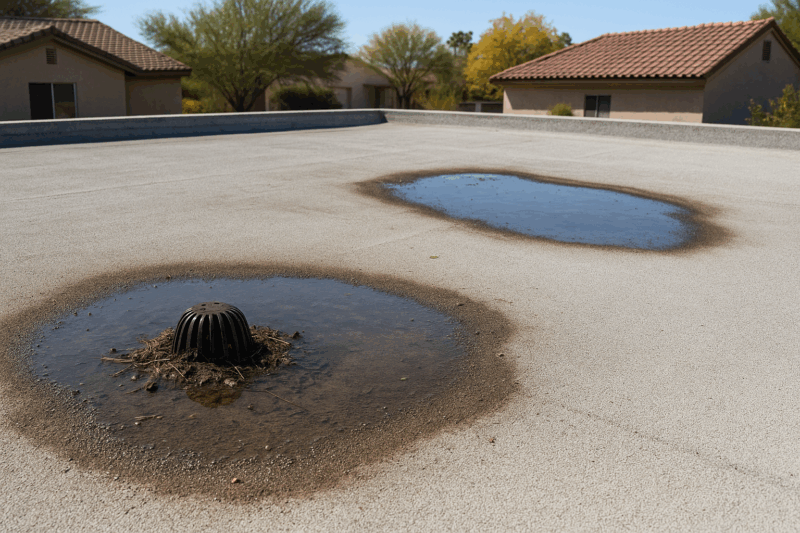
Monsoons overwhelm gutters, scuppers, and drains with dust, mud, and leaves. On pitched roofs, this leads to overflowing gutters. On flat roofs, the result can be pooling water, known as ponding. The water may evaporate after the storm, but it leaves behind dirty rings or residue that show where it sat.
Inspect your gutters and downspouts for debris or unusual amounts of shingle granules. If you can view a flat roof safely, look for areas with standing water or marks that indicate ponding. These subtle signs suggest your roof’s drainage system is struggling.
Clogged gutters force water to spill into walls and fascia boards, creating hidden wood rot. Ponding water on a flat roof is even more serious, adding thousands of pounds of weight and finding its way into the smallest seams. If not corrected, drainage issues shorten the life of any roof system and set the stage for costly structural repairs.
Why Subtle Signs Matter
Monsoon roof damage is not always dramatic. Hidden roof damage in Phoenix often starts with these small issues that grow worse each season. By the time a leak stains your ceiling, water may have been compromising your roof for months. A routine post-monsoon roof inspection helps catch problems when they are still manageable.

If you have noticed any of these subtle signs of roof damage, do not wait for visible leaks to confirm your suspicions. The longer damage sits undetected, the higher the cost of repairs.
Protecting your home begins with peace of mind. Even if your roof looks fine after the storm season, unseen issues can be waiting. Schedule a free, no-obligation professional inspection from a trusted local roofer today. With expert eyes on your roof, you will know for certain that your home is secure against the next monsoon.