How Often Should You Recoat a Flat Roof in Arizona? Maintenance Timelines for Foam and Silicone Systems
Here in the Deserts of Phoenix, flat roofs on homes and commercial buildings face a brutal combination of heat, UV radiation, and sudden monsoon rains. For this reason, many building owners utilize silicone, SPF, and coated roofing systems to protect and insulate their buildings. However, coating is more than just “set it and forget it.” Maintaining performance and extending roof life requires recoating at the appropriate intervals. Let’s break down how often recoats are needed and what influences them.
Understanding Foam vs. Silicone Roof Systems
First, before diving deeper, let us break down what foam roofing (SPF) and Silicon coating are.
Foam roofing is popular here in Arizona because it provides seamless insulation and excellent waterproofing, just perfect for our climate. This is mainly characterized by spray polyurethane foam. If applied properly, it forms a monolithic layer that conforms to the shape of the roof. However, over time, it degrades due to UV rays, and one needs to put on a protective coating, usually silicone. Applied as a liquid, the foam expands and cures into a seamless, monolithic insulation layer.
Silicone Coatings are elastomeric and very highly reflective coatings applied on foam layers or other roof types to protect against Ultra Violet rays, seal tiny cracks, and provide a weather-tight surface. Silicone, more generally, is believed to be flexible as well as durable. This offers excellent resistance to water, even in sustained rainfall.
Now, why exactly is recoating important?
Why Arizona’s Climate Makes Coating Maintenance Critical
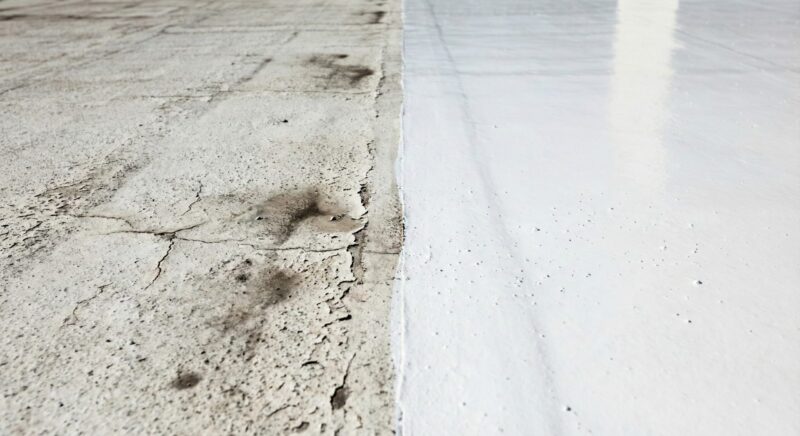
The extreme desert climate of Arizona makes coating maintenance far more critical than in milder regions. UV exposure in the state is so strong that roofing coatings degrade at a much faster rate, losing elasticity and protective strength. The very high daytime temperatures, followed by cooler nighttime ones, create a cycle of expansion and contraction that progressively stresses the coating surface.
When the monsoon season arrives, heavy rain and strong winds test the waterproof integrity of the roof, exposing any weak spots. Atop that, the dust storms and buildup of debris in Arizona reduce reflectivity and accelerate wear, making periodic cleaning and recoating essential for long-term performance.
Recommended Recoating Intervals in Arizona
When it comes to recoating intervals, industry standards and local experience point to clear timelines for Phoenix-area properties. Well-cared-for foam roofs can be expected to last upwards of 30 years, but require a recoat of silicone every 10 to 15 years to protect the foam from the sun and weather.
Without these routine recoats, foam degrades, softens, and eventually compromises a roof’s structure. The silicone coatings themselves will generally last 10 to 20 years, depending on thickness, climate exposure, and foot traffic. Roofs subjected to other harsh conditions, such as strong UV, violent monsoons, or dust storms, will definitely require more frequent inspections. In fact, many contractors would recommend a professional re-inspection every couple of years, even if a new coat isn’t due yet.
The Optimum Practices for Maintaining Coated Roofs
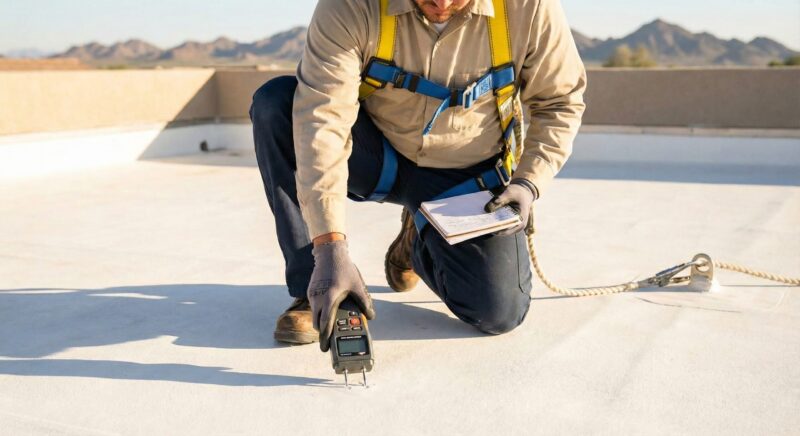
To maximize the life expectancy of coated roofing systems, building owners should follow a routine of optimum maintenance practices. Annual inspections are key because they can help identify, early on, small defects that may include cracking, chalking, and ponding water before they become major problems.
Regular cleaning, at least annually, keeps dust, pollen, and debris from dulling the coating’s surface and helps preserve its reflectivity. Between full recoats, minor repairs may be required to patch worn spots, splits, or thin areas; the sooner these are done, the less chance the damage has to spread and undermine the protection of the structure below.
Warning Signs That Recoating Is Overdue
More specifically, some are: Fading, chalking, or visibly thinned surfaces; cracking, splitting, or soft spots in the coating. Ponding water, water remaining long after rainfall, reflects deteriorated protection. Higher utility bills may also be an indication because lowered reflectivity means a roof has stopped deflecting the heat as it was supposed to.
For any homeowner who is unsure of their last coating date, or for those already showing signs of wear and tear, Stradling Roofing offers free inspections that will review the current state of the roof and may prescribe the recoating schedule based on their findings.
Working with Stradling Roofing will bring several advantages. The team has deep local expertise in how Phoenix heat, UV intensity, and monsoon conditions uniquely affect roofing systems, making sure that the property will be protected for many years to come.
When re-coating time comes around, Stradling Roofing is as professional as they come. From an in-depth surface clean via soft washing or power washing to ensure a strong adherence of the new coating, to applying a primer-mostly depending on the roof’s state-to enhance bonding for an even finish.
Following this preparation, the team proceeds with the application of the coating, laying on new silicone or any other selected system at the right thickness to ensure long-term durability. After the coating is fully cured, a final quality check is performed to ensure full coverage and any weak spots that may need attention. This ensures a strong, clean, and long-lasting roofing surface that can withstand Arizona’s demanding weather.
Recoating a flat roof can seem such a drag, but done right, it’s a smart investment that pays off in long-term durability, energy savings, and peace of mind. In the tough Phoenix climate, waiting too long isn’t worth the risk.