Signs Your Underlayment Needs Replacing (Even if Tiles Look OK)
Your roof may appear in good condition, but damage may be brewing beneath the surface. Homeowners often pay attention to the surface features such as tiles or shingles, but the true workhorse is the underlayment. This essential component serves as a water barrier, and if it’s compromised, your home is at risk even with a seemingly intact roof. Recognising the signs of trouble can prevent expensive repairs and damage.
Understanding Roof Underlayment
Underlayment is a waterproof or water-resistant membrane that sits on the roof deck before tiles or shingles are applied. It’s a secondary line of defence against water, heat, and wind-driven rain. Tiles are the first line of defence, but underlayment catches the rest. Underlayment breaks down over time due to heat, moisture and wear and tear. This is faster in warmer climates. Even with top-notch materials, deterioration can occur between 15 and 30 years, depending on climate and installation.
The Deception of Good-Looking Tiles
Tiles are long-lived and can outlive the underlayment. This can be misleading.
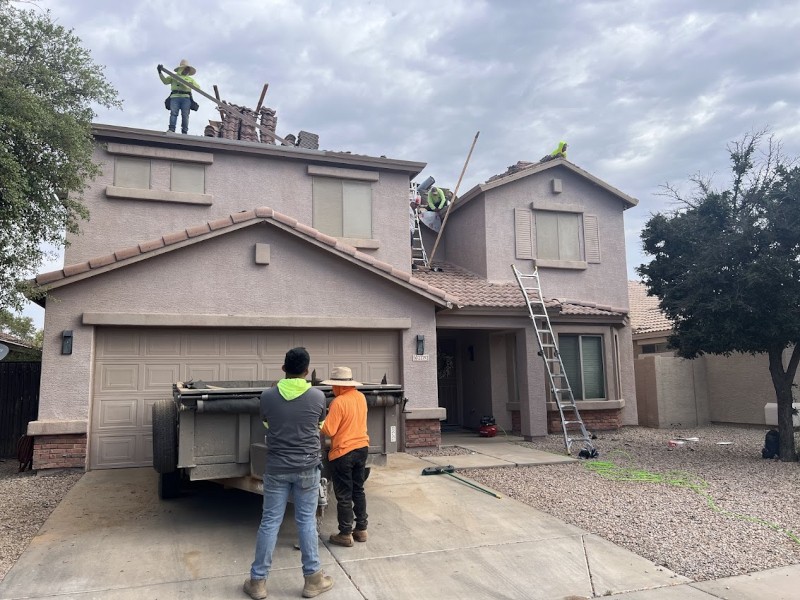
Homeowners inspect the tiles and see they’re intact, but the underlayment may be cracked, brittle or torn. Water can penetrate minor cracks, particularly in heavy rain or storms. Because tiles don’t completely seal water, underlayment is crucial. If it’s compromised, leaks can occur without visible signs.
Signs of Underlayment Failure
The first signs are often ceiling or wall stains. These can occur well after the underlayment has begun to fail. Musty smells in the attic can also indicate trapped moisture and potential mold. You may also notice cracked or curling underlayment during roof inspections. When a contractor removes a tile and discovers flaking or breaking material, it indicates the underlayment is failing. Higher indoor temperatures can also indicate a problem. Compromised material allows more heat to enter the house. This can result in increased energy costs.
Subtle Signs Homeowners Overlook
Shingle roofs typically have granules in their gutters, but tile roofs can have debris from underlayment. Debris can be washed away in rain. You may also hear strange noises from the roof deck. Water leaks can compromise the decking, leading to slight shifts. You may also notice uneven roof performance. When some areas leak and others don’t, it could be due to a problem with the underlayment rather than the tiles.
The Role of Weather and Time
Underlayment deterioration is heavily influenced by heat. In sunny climates, materials expand and contract each day. This leads to brittleness and cracking. Moisture compounds the problem. Even minor leaks can lead to trapped moisture, accelerating damage. Lack of ventilation exacerbates this issue. Age remains the biggest factor. Underlayments often start to deteriorate after 20 years. If your roof is nearing this age, replacement is a proactive measure.
The Risk of Waiting Too Long
Postponing underlayment replacement risks damage. Moisture damage occurs to decking, insulation and even walls. Damage is more costly to repair. There’s also the risk of mold growth. Moisture in the attic provides a habitat for mold growth. This can affect air quality and health. It can also complicate insurance claims. Insurance can be voided for poor maintenance. Failing to address early leaks can lead to claim denials.
Repair vs Replacement: What You Need to Know
Occasionally, homeowners try to repair leaks. This can offer temporary fixes, but not a permanent solution. Underlayment often fails in large areas. Replacing the underlayment requires removing tiles, installing new underlayment, and reattaching tiles. While costly, it reinstates the roof’s integrity and prolongs its life. As industry best practice guidelines from the National Roofing Contractors Association state, the underlayment is crucial to the roof’s performance.
When to Call a Professional
If your roof is more than 15 years old, consider a professional inspection. Professionals can inspect underlayment without damaging tiles. Seek out licensed professionals who have experience with tile roofs. This is important as improper removal and installation can damage tiles and add expenses.
Maintaining Your Investment
Inspections can identify problems. While your roof may appear healthy, inspecting the components protects it for years to come. Replacing old underlayment with new synthetic material also helps. They are more resistant to heat and moisture than traditional felt underlayments. Good attic ventilation helps prevent heat and moisture. This can help prolong the lifespan of your underlayment.
Don’t Wait for the Damage to Show
Your roof is more than just a decorative element. It keeps your home safe from the weather. Neglecting the unseen can cause significant problems. If you think your underlayment is in trouble, take action now. An expert assessment can uncover problems and guide you in your next steps.
To learn more and get expert advice, call Stradling Roofing today. The team will inspect your roof, diagnose underlayment issues, and offer durable solutions to protect your home and family.