
How the Phoenix Heat Impacts Your Roof’s Lifespan
The people of Phoenix are aware that monsoon is both a relief and a curse. After enduring the scorching hea, this season is also accompanied by strong winds, sudden rain and hail. These winds can put stress on roofs of any kind. Be it clay tile, asphalt, flat foam, and metal. Particularly in the Valley of the Sun where extreme heat puts an additional burden on the structures due to the aged constructions. Early detection of monsoon-related damage prevents expensive repairs, maintains your business or home security, and safeguard your investment.
Knowing Monsoon Risks in Phoenix.
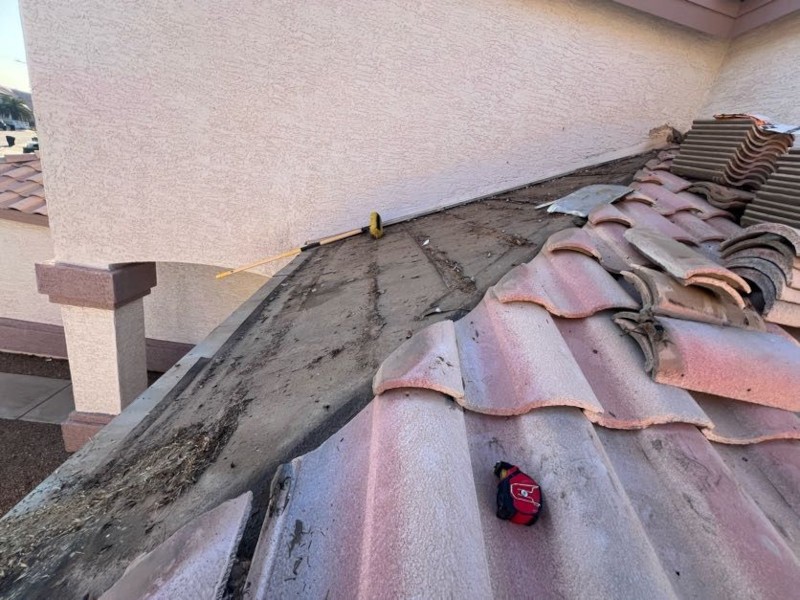
Monsoon storms do not only bring rain. The wind speed tends to be above 75mph, and the hail size may be between the size of a pea and a golf ball. These conditions may crack, loosen or detach shingles, tiles and metal panels and may damage flashing and underlayment. A cracked shingle of tile, even a shingle curled up, will allow water into the deck of the roof, resulting in leaks or structural issues down the road. In the case of tile or foam roofs, the damage can be under the intact ones. In this case, hidden cracks are typical.
The age of the roof and the material used is important. The asphalt shingles, which are more than twenty years old, remain longer in the brittle form, and can be easily lifted or lose the granules. Clay tiles are strong but may break or move when subjected to strong winds. Flat foam and metal roofs are rather weak in the areas of the seams and flashing. According to contractors, the roofs that are over 20 years old are approximately three times more prone to claim the storm damage, which proves the necessity of inspection after every season.
The First Warnings: Missing or Damaged Roofing material.
One of the most obvious signs of monsoon damage is the loss or breakage of roof covering. Check lifted or curled shingles, displaced pieces, and cracked tiles. Even a few of the shingles missing can breach the protective shield of the roof and cause an internal damage when left unattended. Roofers recommend that house owners should not wait until they start to see leaks, instead they should act fast to cover any gaps and scrape off the damaged one. Right after a storm, documentation, such as photos or notes is necessary in case you have to claim an insurance.
Interior Decals and Unseen Damage.
Water may creep in weeks or months without being noticed. Look at ceilings, damp walls or wet insulation in the attic. Leaks that cannot be detected in the older houses can stimulate the growth of molds, rot, and weakening of the structure. At this stage, contractors emphasize on the significance of post-monsoon attic inspection. Stains, drywall that is sagging or musty smells in the house can all indicate that there is water intrusion underneath the roof surface. Early repairs can stop a small leakage into becoming a huge undertaking.
Broken Flashing and Roof Penetrations.
During monsoons, flashings around chimneys, vents, skylights, and other roof openings are some of the major targets. Strong winds may bend or even tear metal flashing, and rain may be able to creep through tiny holes. The most common cause of leaks is flashing failure which can be very difficult to notice compared to missing shingles or broken tiles. Roof is also prone to be further compromised by metal vents and rooftop equipment that dent or loosen. Both residential and commercial roofs should be regularly inspected and maintained to maintain flashing.
Structural Sagging and Roof Deck Problems.
Extreme instances of monsoon rains may compromise the roof deck and support system. This slowly causes sags in both flat and low-sloping roofs and a localized depression under tile roofs or shingle roofs. These issues usually get detected by roofing experts when they inspect after the storm or after the hidden leaks have occurred over time. Sagging may start small, but it is a sign of an undermined structural core. Early intervention prevents massive failure and high maintenance expenses.
Future Monsoon Readiness
Pre‑season maintenance is the best defense against monsoon damage. Perform frequent maintenance, particularly prior to the storming season, to locate and correct weak areas. Climate scientists observe that overall monsoon rainfall has been growing more unpredictable, with extreme bursts rising, that is, producing a heavier amount of rainfall within shorter bursts. Early identification of damage is even more important now.
Early intervention and awareness can save property owners the hassle of damages that increase with each passing minute. The most effective options are to identify and professionally assess your roof early in advance before the intense monsoon storms roll across the Valley to ensure your home or business is safe.
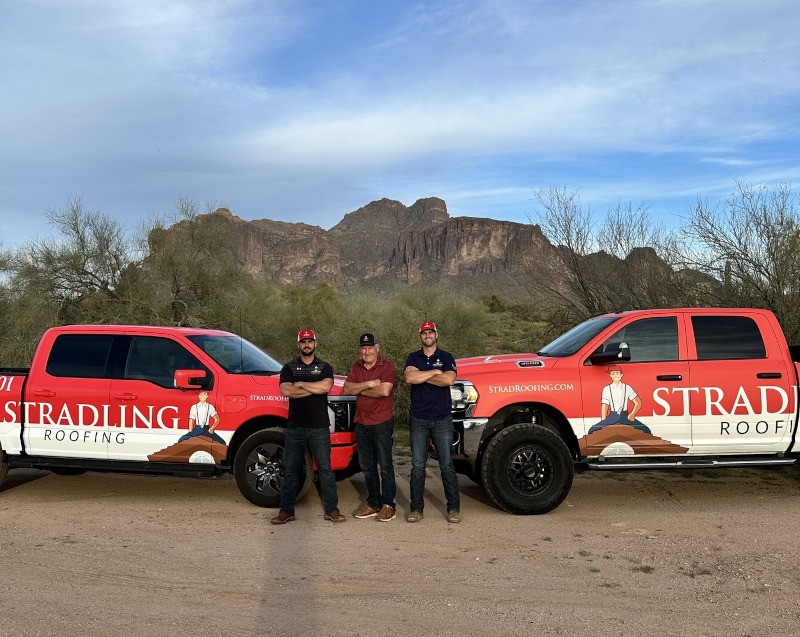
In case you feel that your roof has been hit by storms recently, then book your roof to be inspected by a professional local company such as Stradling Roofing. This will provide you with clarity, peace, and direction before minor issues lead to big repairs.