Top 10 Roofing Scams to Avoid in Maricopa County
Roofs take it hard in Phoenix summers! If a tile cracks or there is a leak after the monsoon storms, it seems like a reasonable thing to do to get on a ladder and fix it. Save money, solve the issue, and get it done. The result puts thousands of Americans in emergency rooms annually and puts Phoenix homeowners at risk that no residents of milder climates have. The heat on roofs, unexpected monsoon rains, and the tendency for the tiles to break as one walks on the roof all make summer roofing work in the Valley very dangerous.
The Real Reasons Summer Roof Repairs Endanger Phoenix Homeowners
Any roof work is risky. That risk is compounded by factors homeowners don’t often think about when choosing a roof for their home during July in Phoenix. All of this extreme surface heat, the risk of falling, the susceptibility of materials and the delayed onset heat illness make a bad situation worse for even the world’s most experienced handyman.
Extreme Roof Surface Temperatures Cause Burns and Heat Stroke
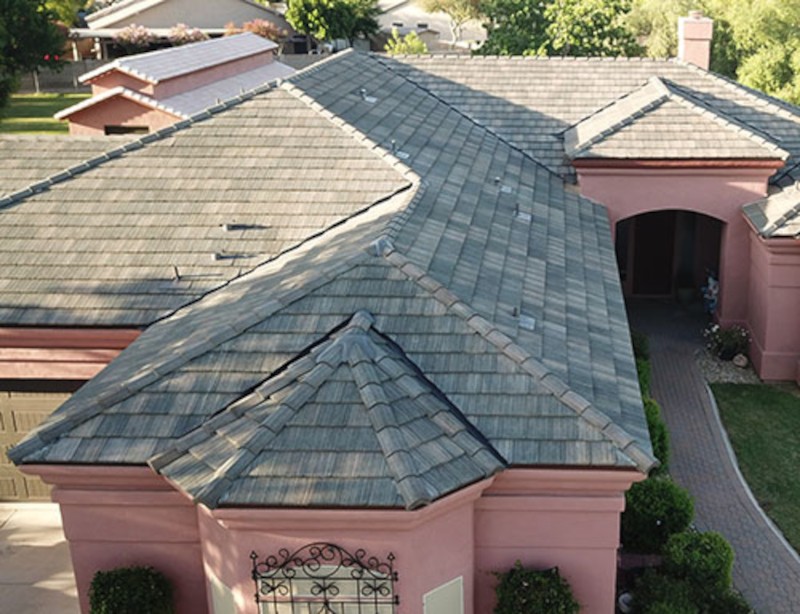
Phoenix’s heat reaches 110°F, and here’s what your roof surface is saying! Dark asphalt shingles generate heat of 50 to 60 degrees above ambient air, while commercial roof surfaces get to be 150°F to 180°F during peak afternoon hours. The surface temperatures these reach is hot enough to bring about second degree burns on bare skin in seconds. In addition, they can cause heat exhaustion in anyone working above them.
The Maricopa County Department of Public Health reported 608 confirmed heat-related deaths in 2024, with most occurring outdoors. Heat stroke does not come to visit on an appointment. Suddenly dizzy, confused and uncoordinated, a roof repair quickly becomes a medical emergency. It’s important to remember that the heat injury can occur hours after exposure has ended: If a homeowner feels all right while climbing down the ladder, he or she could collapse later that evening.
Falls from Residential Roofs Send Thousands to Emergency Rooms
Falls continue to be the most deadly danger in the roofing industry. According to the U.S. Bureau of Labor Statistics, 389 persons were killed in falls from elevation during construction activities in 2024, with approximately 97% of roofing and ladder related accidents occurring at private residences instead of commercial structures. That figure shows who’s really being injured: homeowners trying to complete DIY projects without fall arrest systems, boots or trained spotters.
In the USA, an extra 164,000 emergency room visits every year are a result of ladders. The heat from Phoenix compounds the risk of falling in a number of ways. Palm sweat makes it difficult to grip a ladder, sun glare dazzles the eyes and heat-induced lightheadedness can suddenly set in. What’s harmless in October is deadly in July.What’s harmless in October is deadly in July.
Foot Traffic Damages Hot Tile and Shingle Roofs Immediately
For good reason, tile roofs are the predominant roofing style for homes in Mesa, Chandler, Gilbert and Scottsdale because they withstand the heat of Arizona better than almost any other roofing material. In summer, it cracks as an individual walks on the hot tile. A homeowner trying to find out what is leaking out of a tile, typically breaks on the order of 3 to 5 tiles while getting to the leak, and then the tiles break when the temperature hits 160°F. The initial leak worsens.
Asphalt shingles don’t fare much better. Underwriters Laboratories specifies installation temperatures between 40°F and 85°F as temperatures above that range will make shingles too soft to install. The hot shingles lose their protective granular surface when foot traffic occurs, which increases the susceptibility to UV damage and reduces the roof’s lifespan by years. This “do it yourself” repair can cause even more costly issues.
DIY Repairs Void Warranties and Insurance Coverage
Homeowners tend not to read the fine print in their roof insurance and warranty policies. They should. tile, shingle, foam and silicone coating system manufacturer guarantees almost always mandate that they must be installed and repaired by a licensed contractor. In many cases the patch is a do-it-yourself patch and is not supported by any warranties. There’s an added layer of risk in the form of insurance companies, because the typical insurance policy excludes claims involving water damage after the homeowner’s unapproved repairs under the “neglected maintenance” or “unapproved modifications” clause.
The bill for a fracture resulting from a fall in an ER is between $3,000 and $10,000 and a hospital admission can cost more than $100,000. Avoid the warranty that has been voided, the insurance claim that was denied, and continuing water damage, and $400 to hire a handyman for a repair suddenly becomes a bargain.
Monsoon Pressure Pushes Homeowners onto Roofs at the Worst Time
The rainy season is June 15 to September 30 and coincides almost entirely with the hottest time of the year. When a sudden storm occurs and an inch of rain falls, people see a leak and want to remedy it before the next rain. That desperate need leads people up onto the roofs during the day when it’s hottest, typically the day following a storm when surfaces remain slippery and humidity is still high. Monsoon storms can all of a sudden appear in 30 minutes or less, and if you’re on a roof, you can be in danger of lightning and microburst winds.
When Professional Roof Repair is Actually Necessary
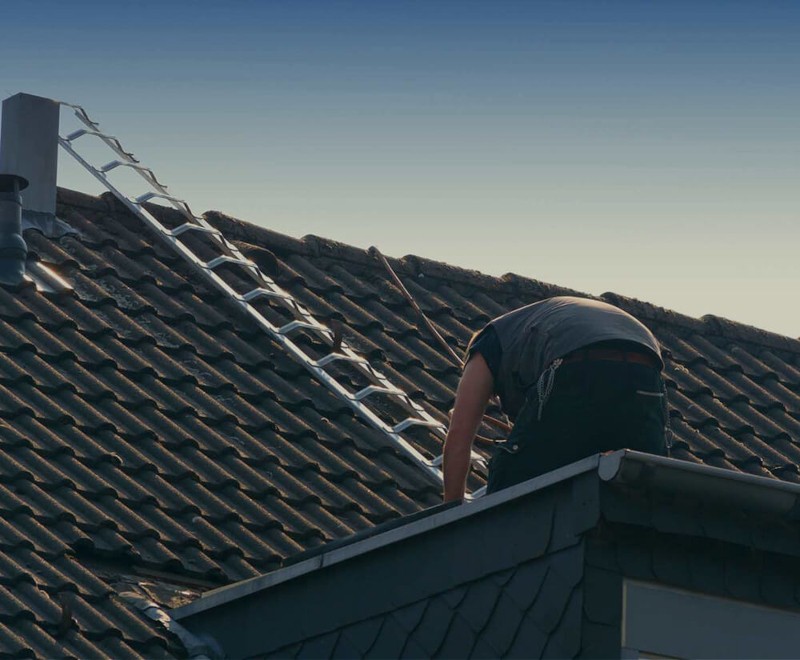
There are some maintenance activities that can be safely conducted on the ground. Binoculars, yard clean-up and taking photos of damage for insurance purposes are considered to be safe for visual inspections. Arizona roofing companies are the only ones who can handle anything that needs to come into contact with the roof during the summer. Homeowners can check the Arizona Registrar of Contractors‘ database to confirm that contractors are licensed, bonded, and have no complaints before hiring.
They have workers’ comp insurance, fall arrest gear, heat acclimatization training and expertise to see the roof damage that untrained eyes cannot. Brian Stradling and the team at Stradling Roofing have been dealing with Phoenix-area roofs for more than a dozen years, in all types of Valley conditions throughout the summer. It’s that experience that equates to safer and longer-lasting repairs for Mesa, Gilbert, Queen Creek, Paradise Valley and the surrounding homeowners.
Ready to protect your home? Contact Stradling Roofing today for a free roof inspection in the Phoenix area.